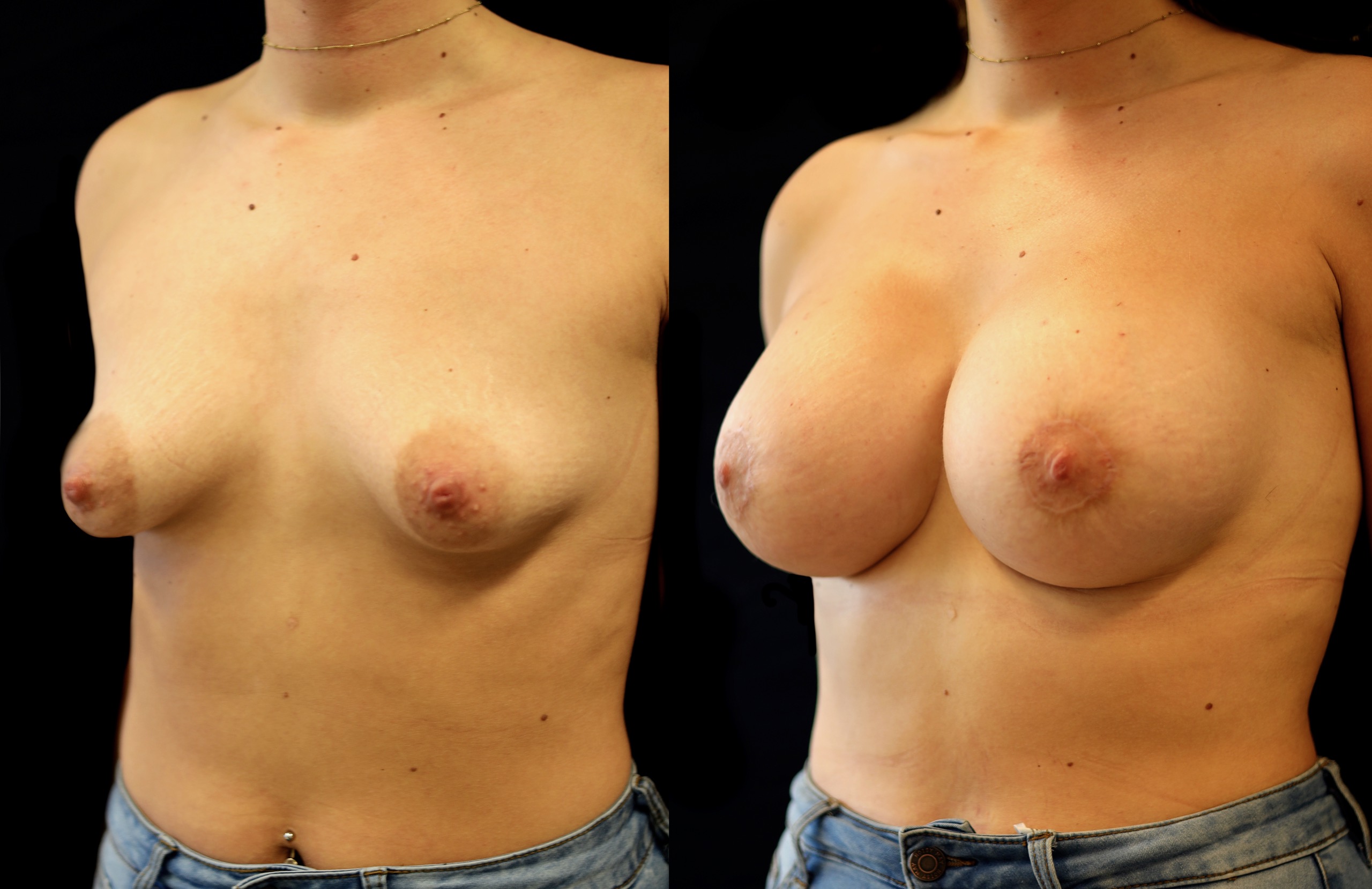
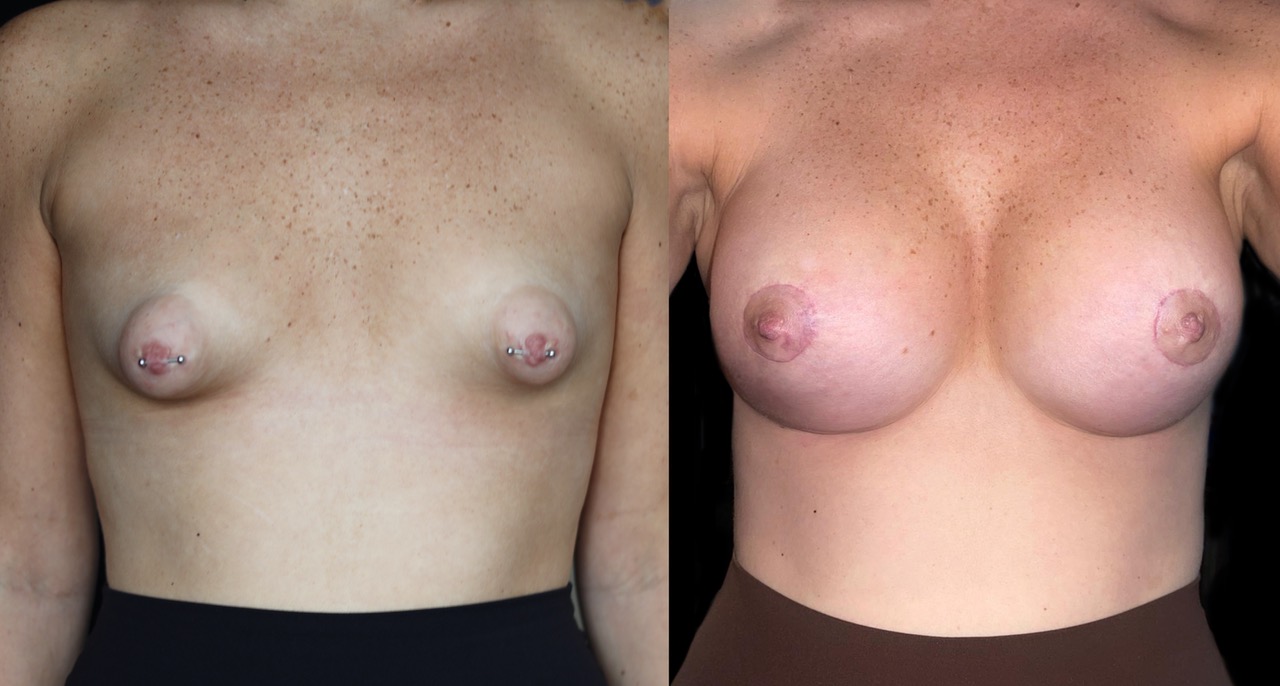
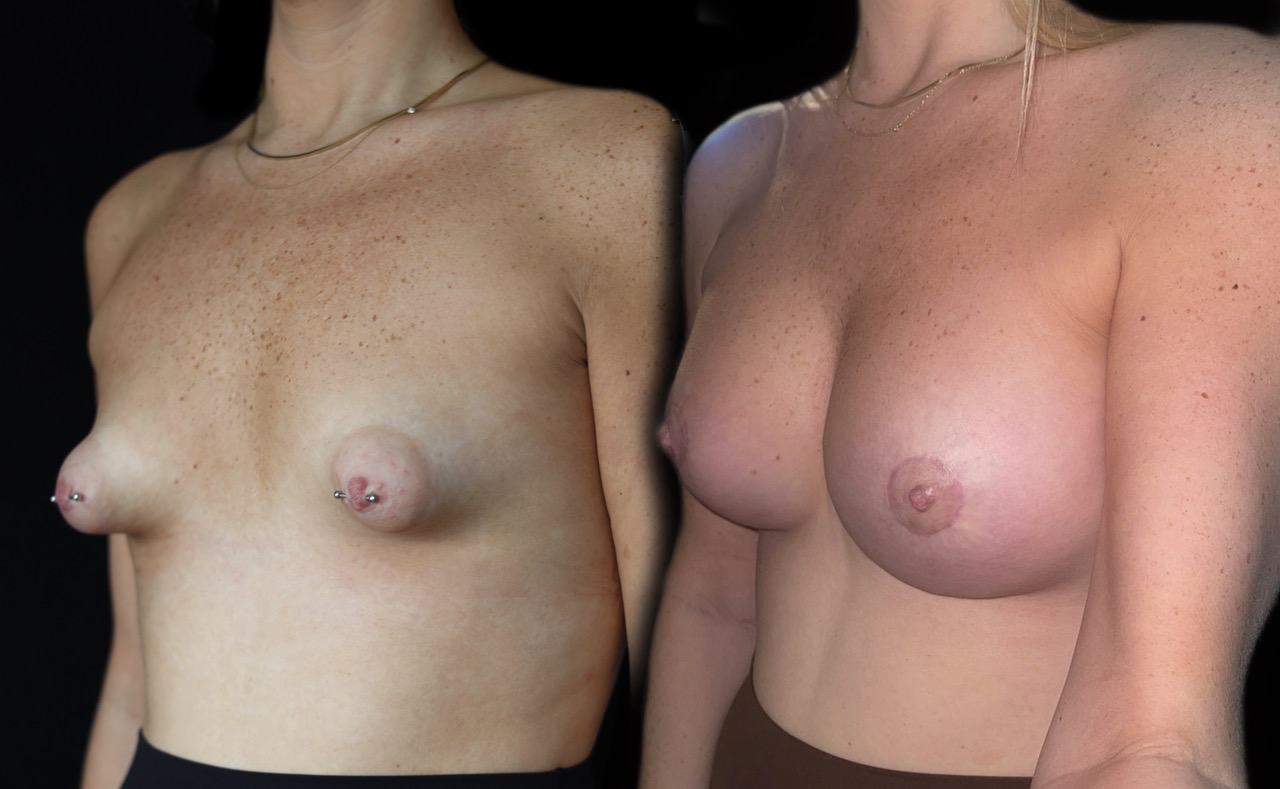
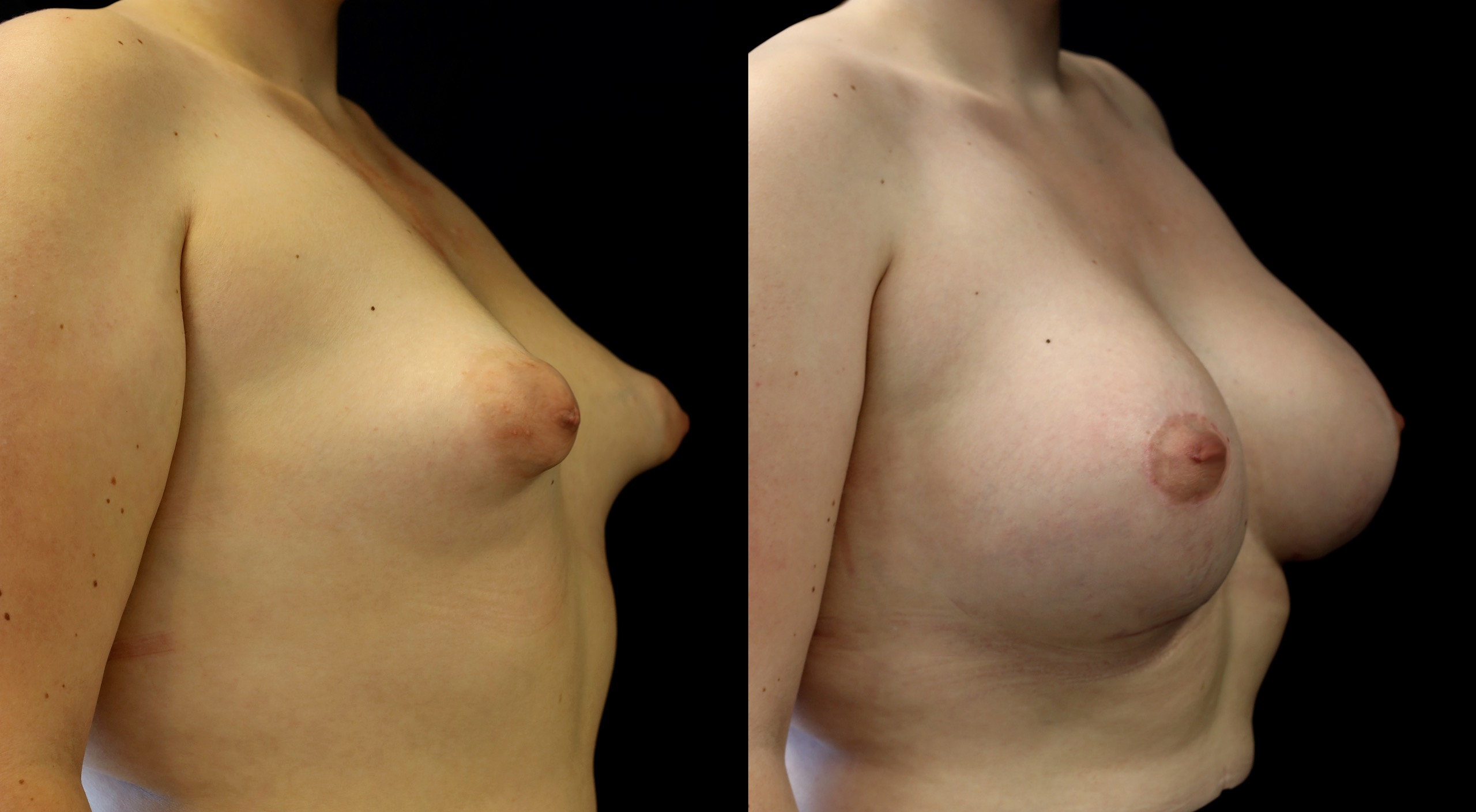
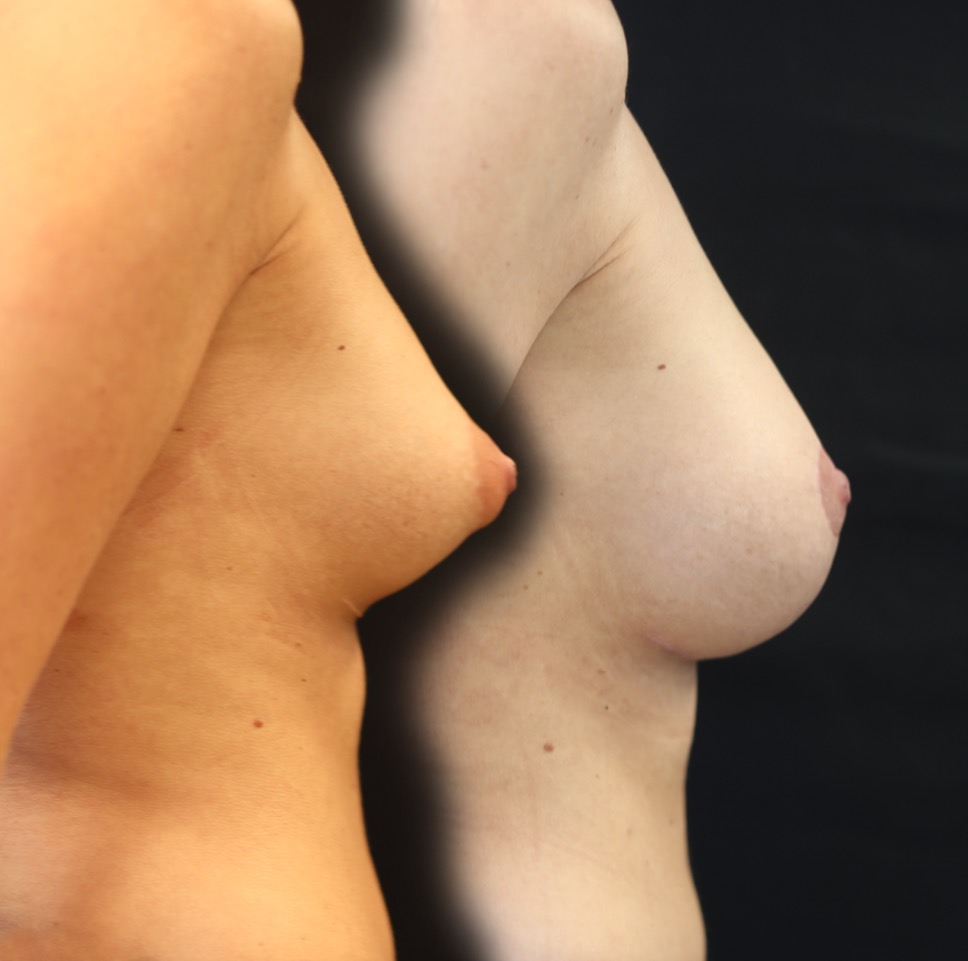
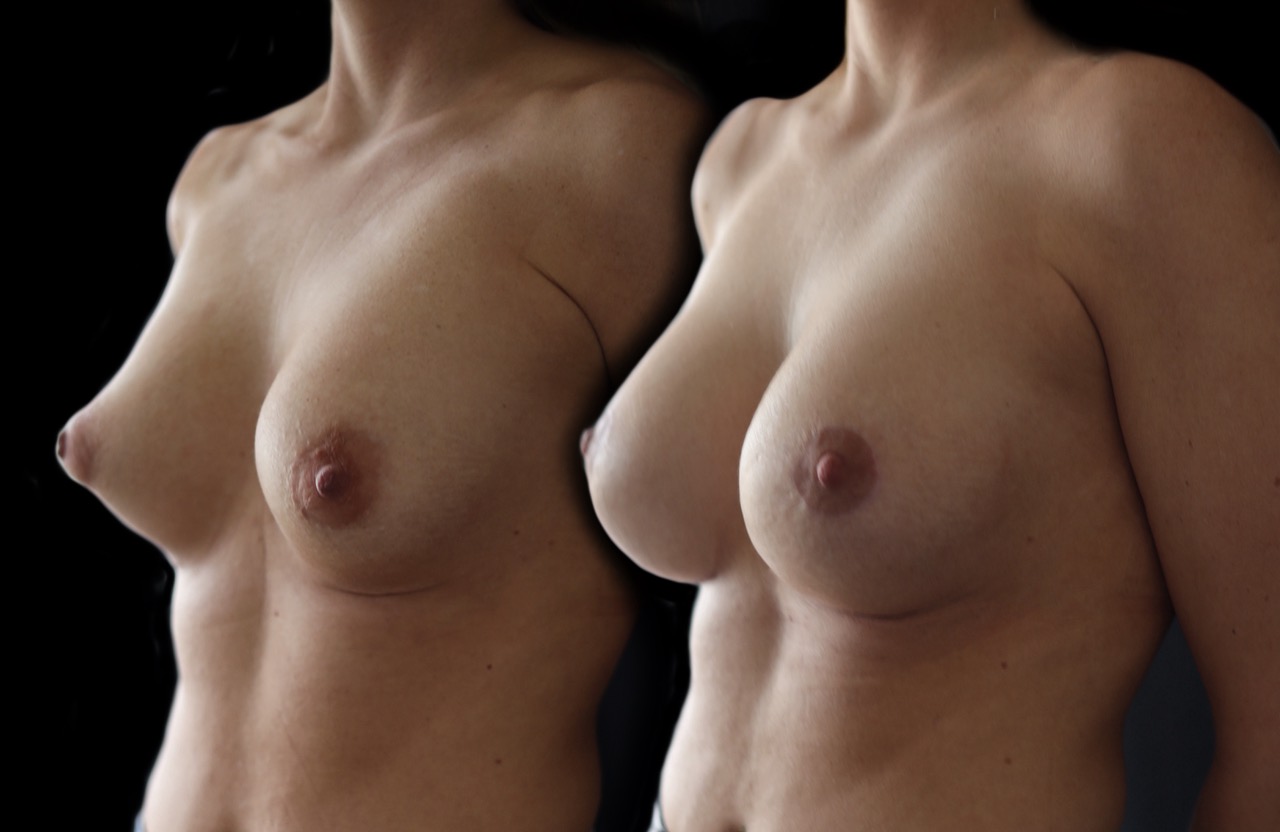
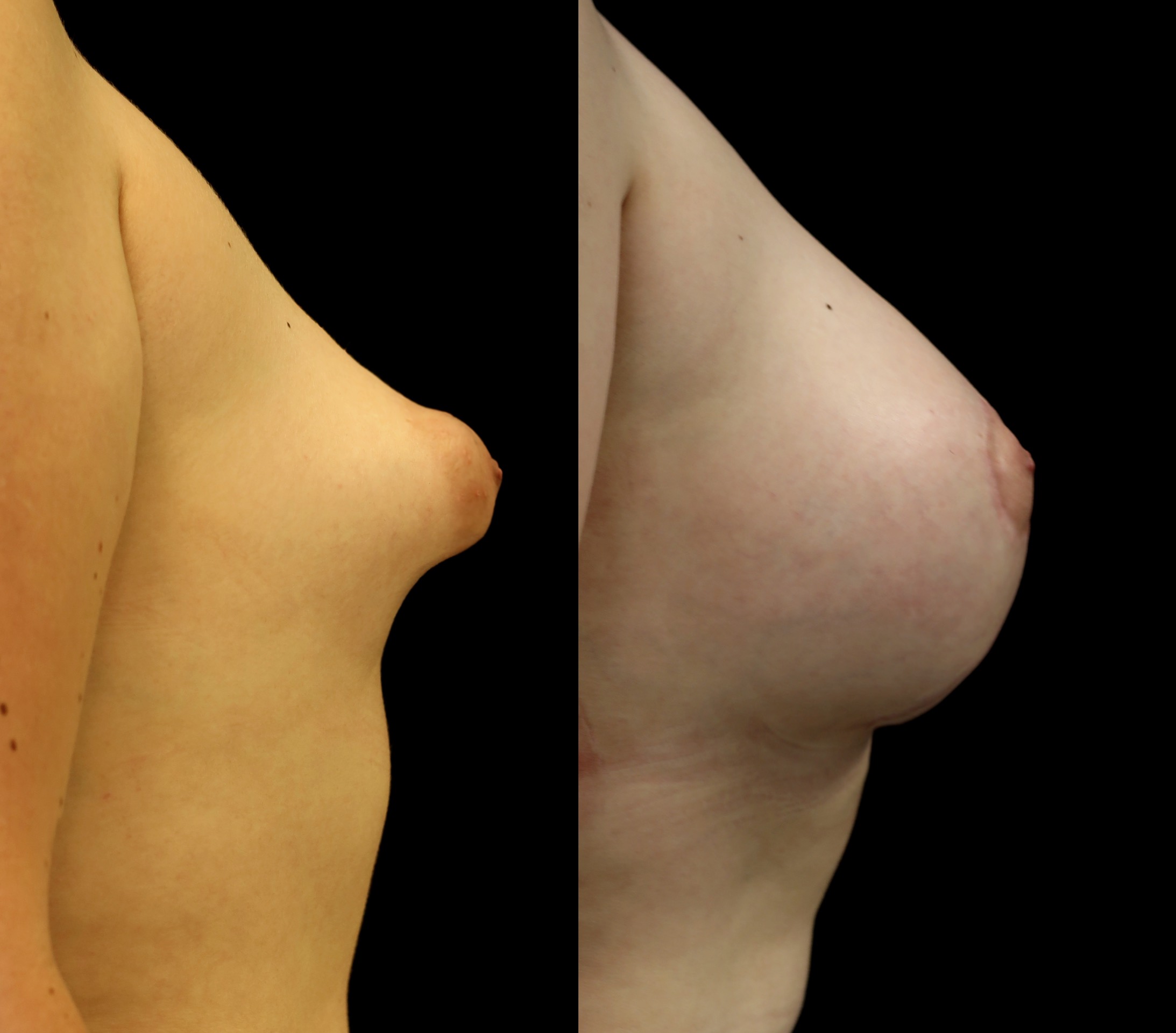
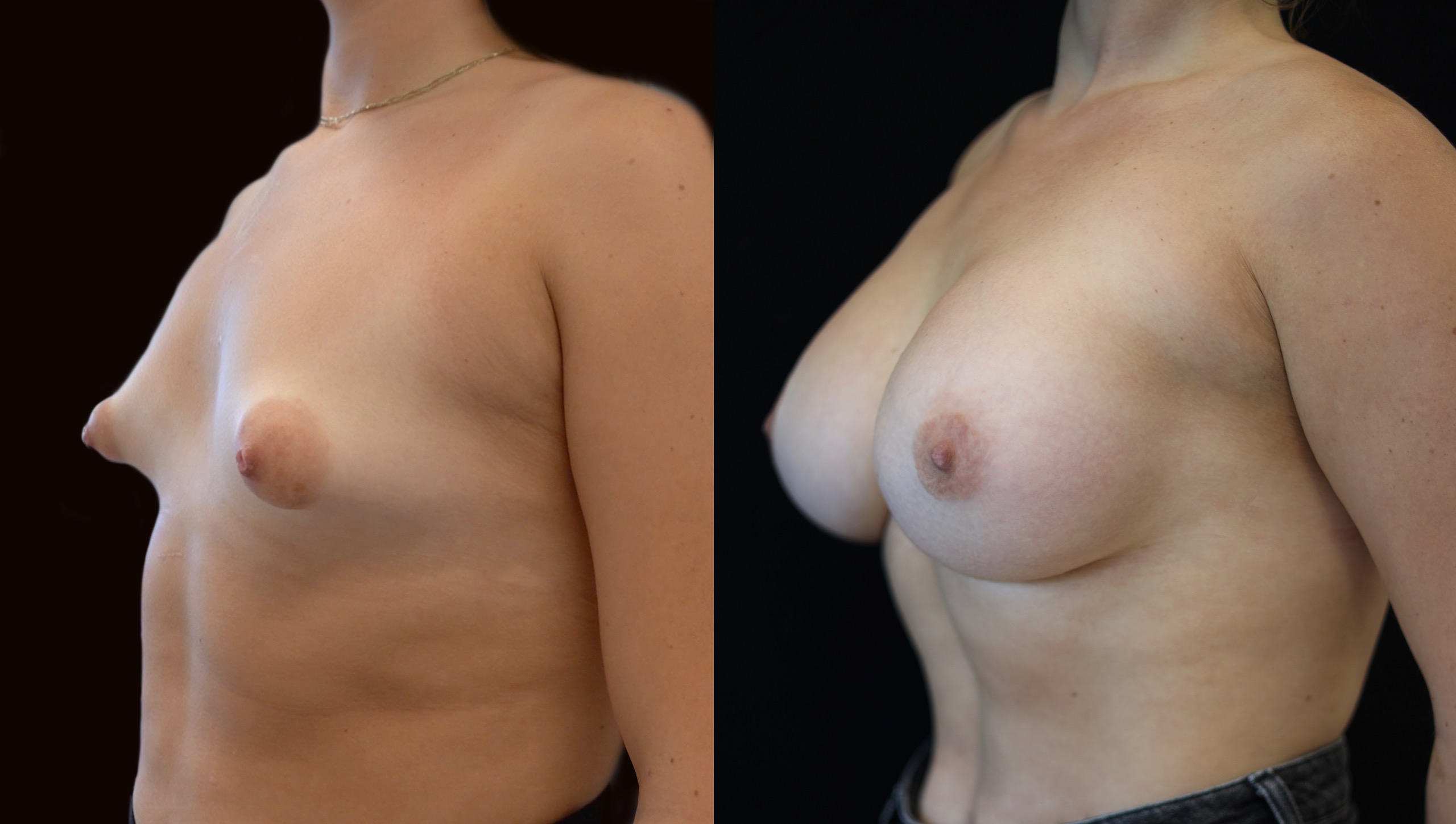
Not every breast is simply “too small” or “lacking volume”.
In some women, there is a congenital developmental condition of the breast in which the lower part of the breast has not developed sufficiently. This is known as a tuberous or tubular breast.Recognising and correctly treating this breast shape requires specific knowledge and experience.
At Gooimeer Clinics, the correction of tuberous breasts is one of our core areas of expertise.Dr. Van der Pot and Dr. Ahmed give international lectures and live-surgery demonstrations on this procedure and are regularly consulted by fellow surgeons from the Netherlands and abroad.
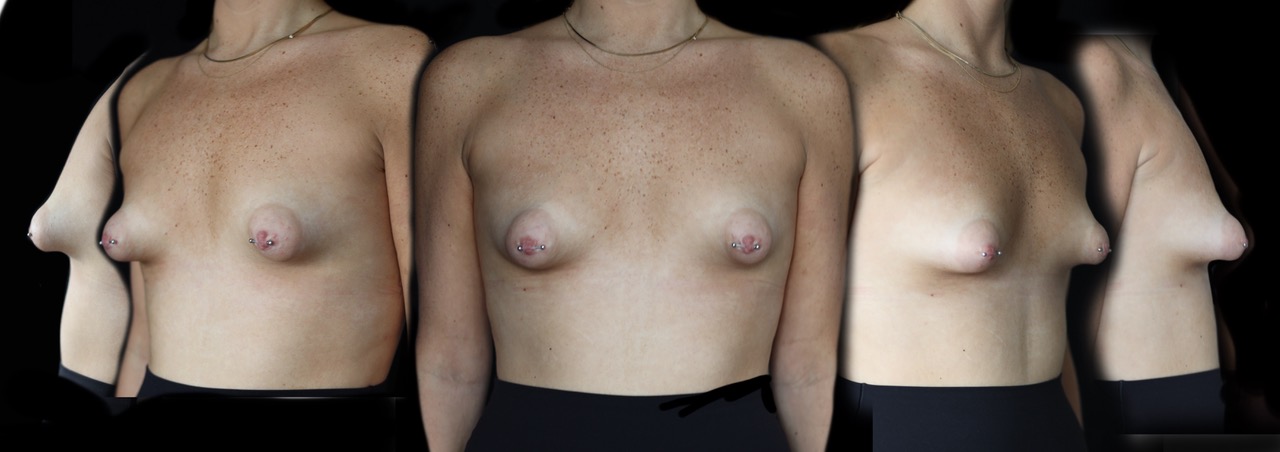
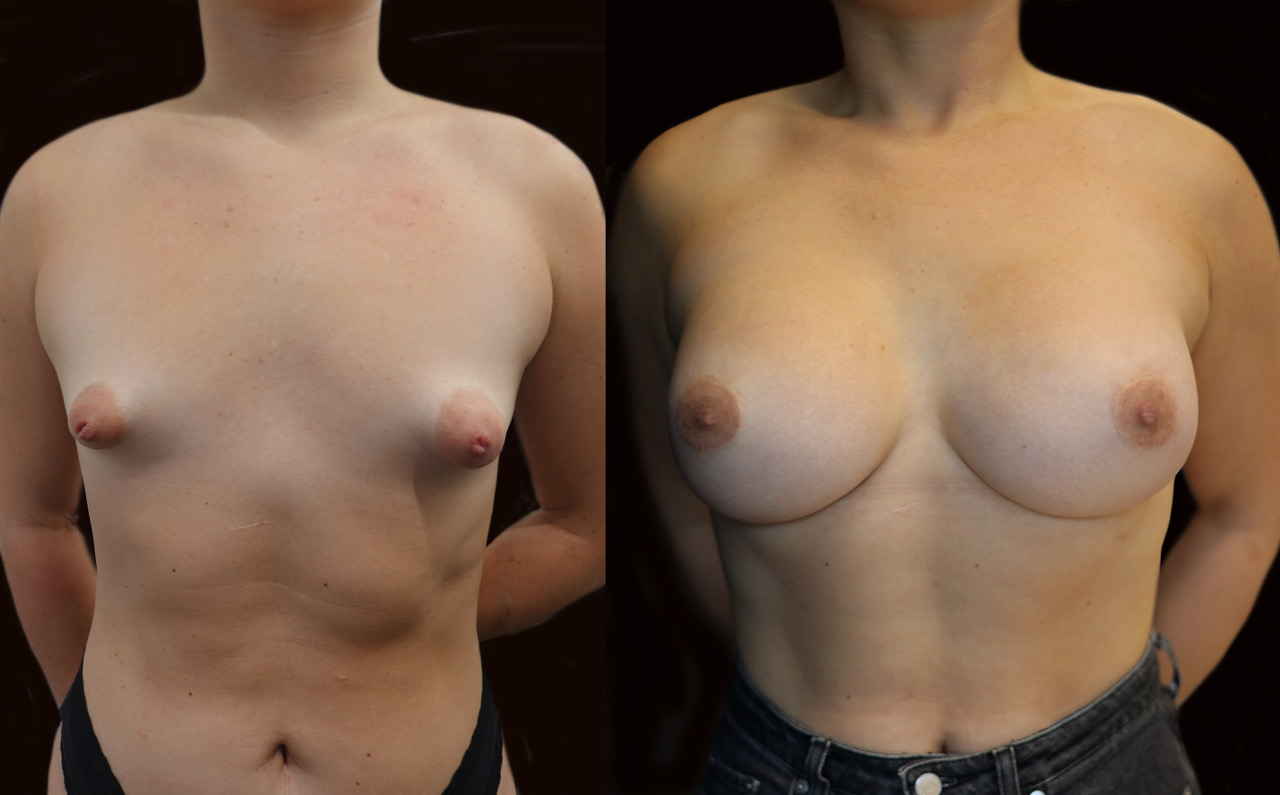
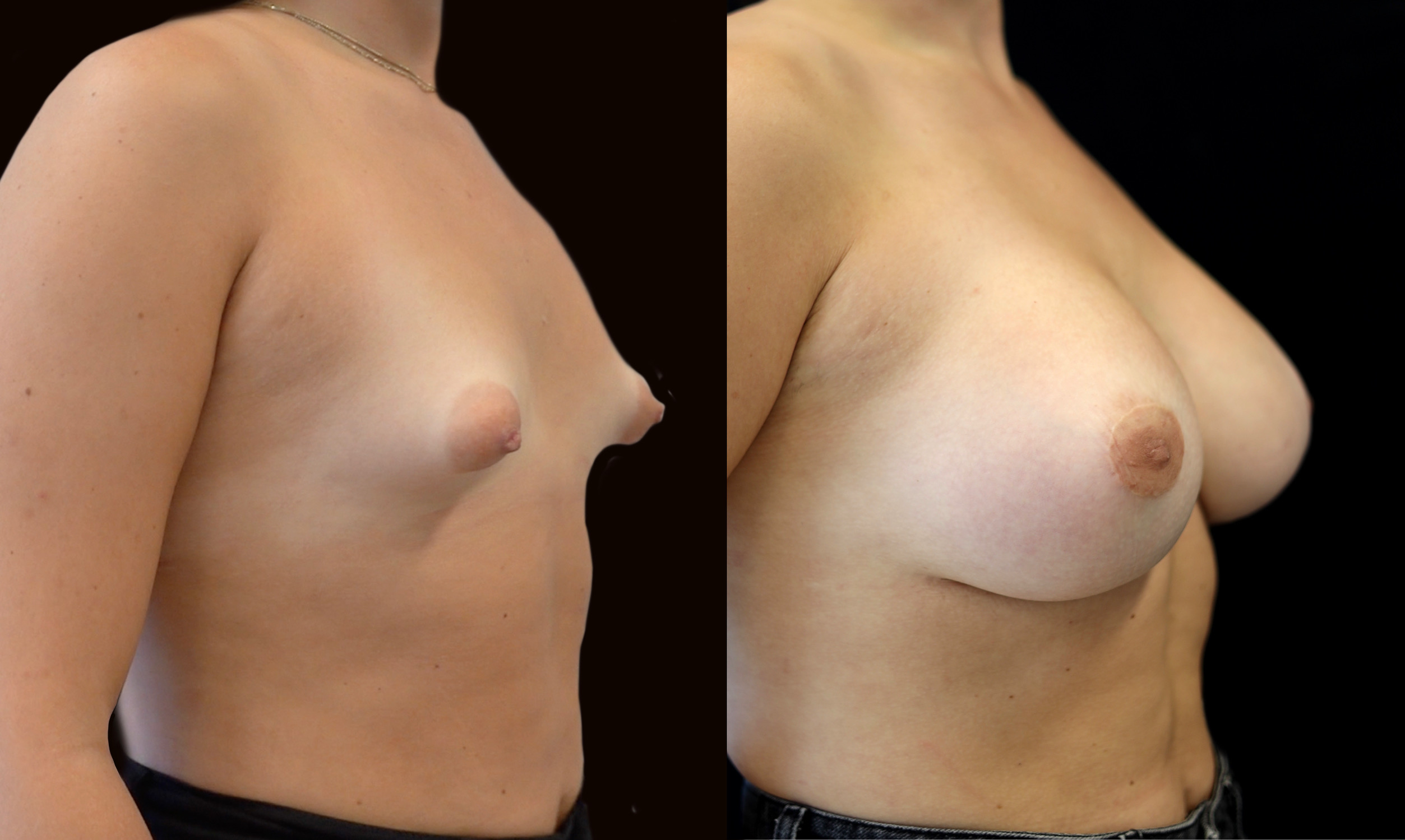
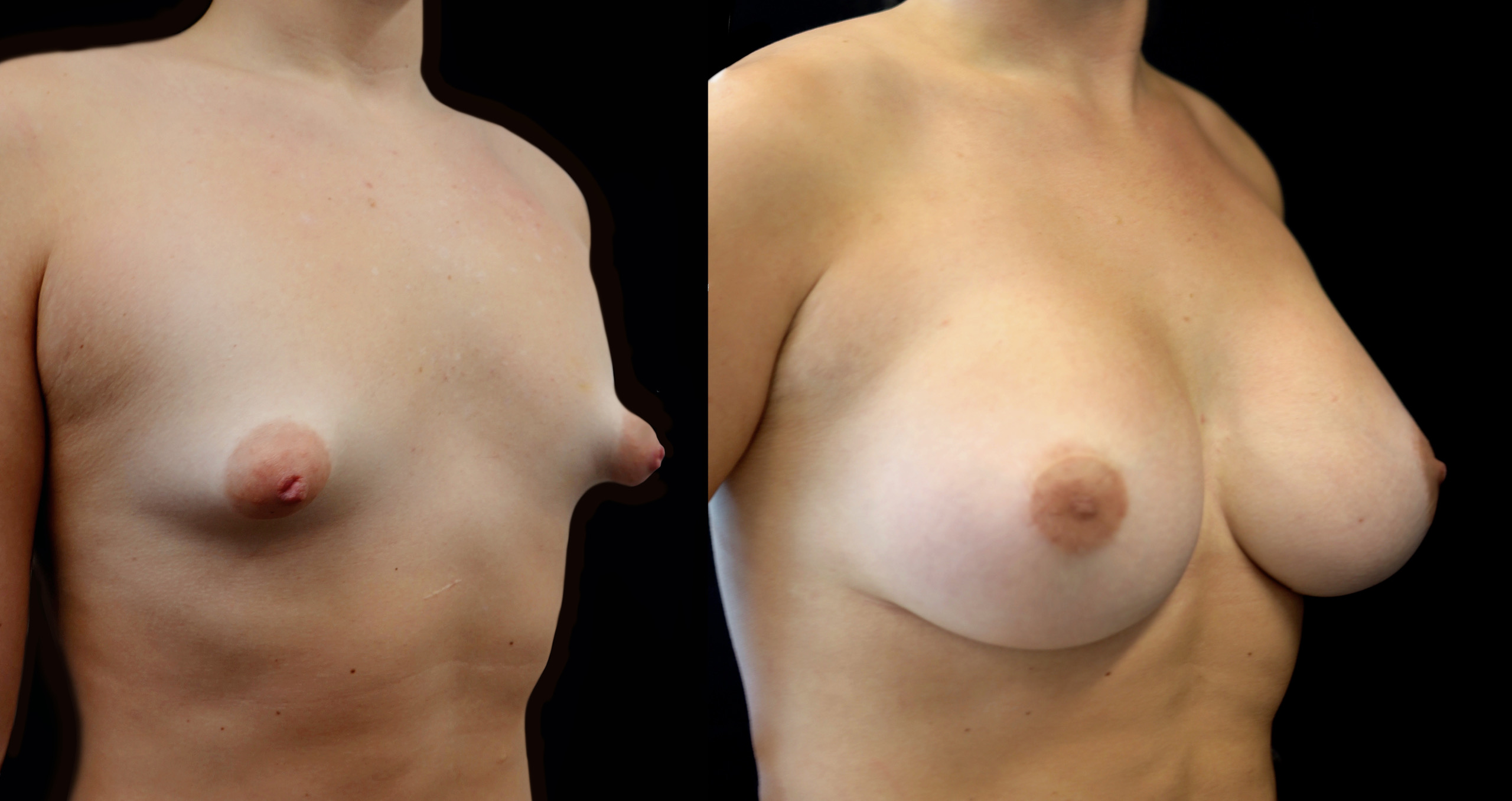
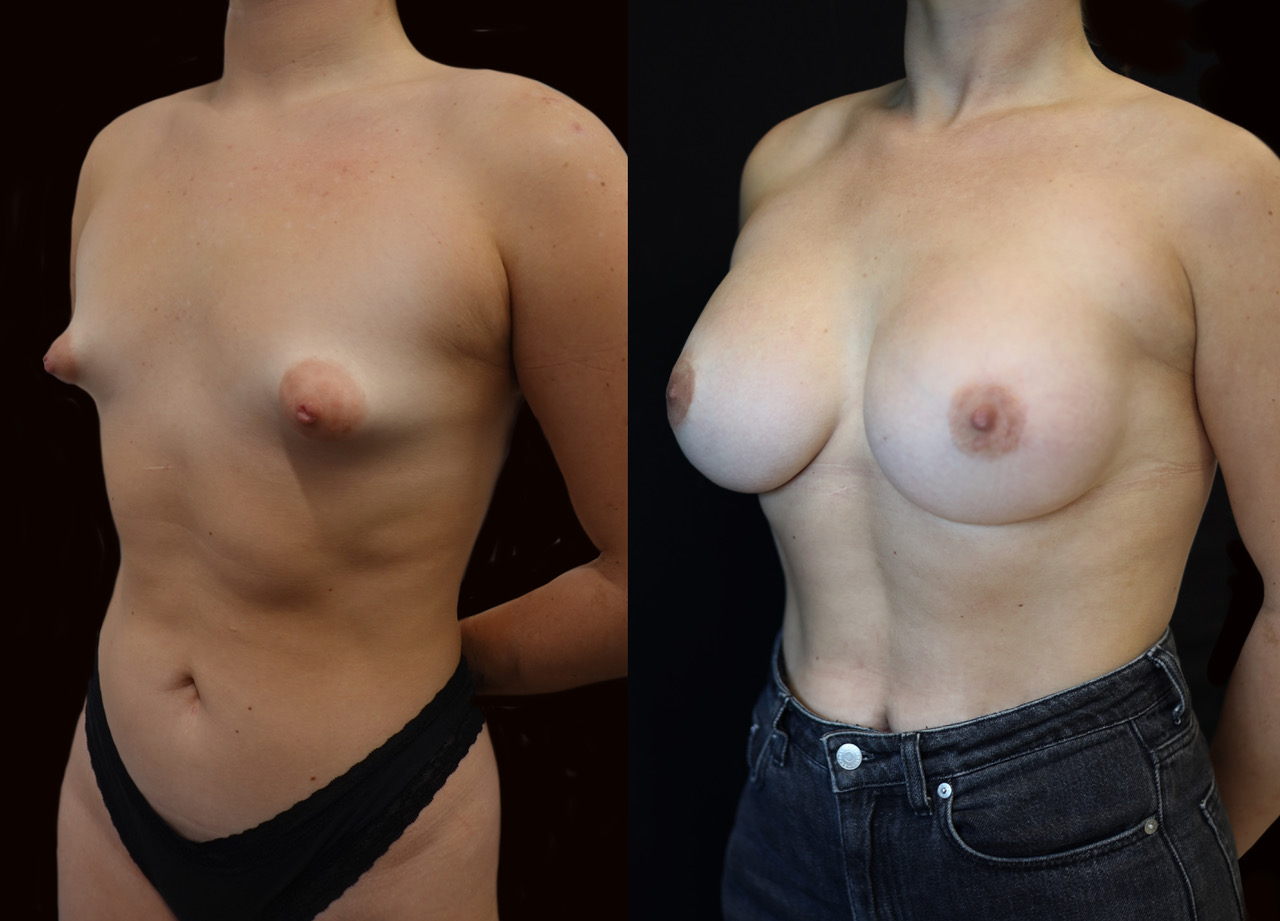
In tuberous breasts, breast development during puberty is partially restricted.
This creates a characteristic appearance:
a narrow breast base
limited development of the lower pole
a relatively high inframammary fold
a protruding areola (“puffy nipple”)
a cylindrical or cone-shaped breast
Severity can range from mild to pronounced. Approximately 1–5% of women who present for breast augmentation are found to have a tuberous breast shape to some degree. It is important to recognise this in advance. A standard breast augmentation alone usually does not produce a beautiful or durable result in tuberous breasts.
Click on an subject for more information
In a standard breast augmentation, an implant is placed within an existing breast shape.
With tuberous breasts, there is often not enough space and flexibility in the lower pole.
Without additional corrections, the breast may remain:
high and tight in the lower pole
with a protruding areola (“puffy nipple”)
with an unnatural shape
That is why this condition requires an adapted surgical technique.
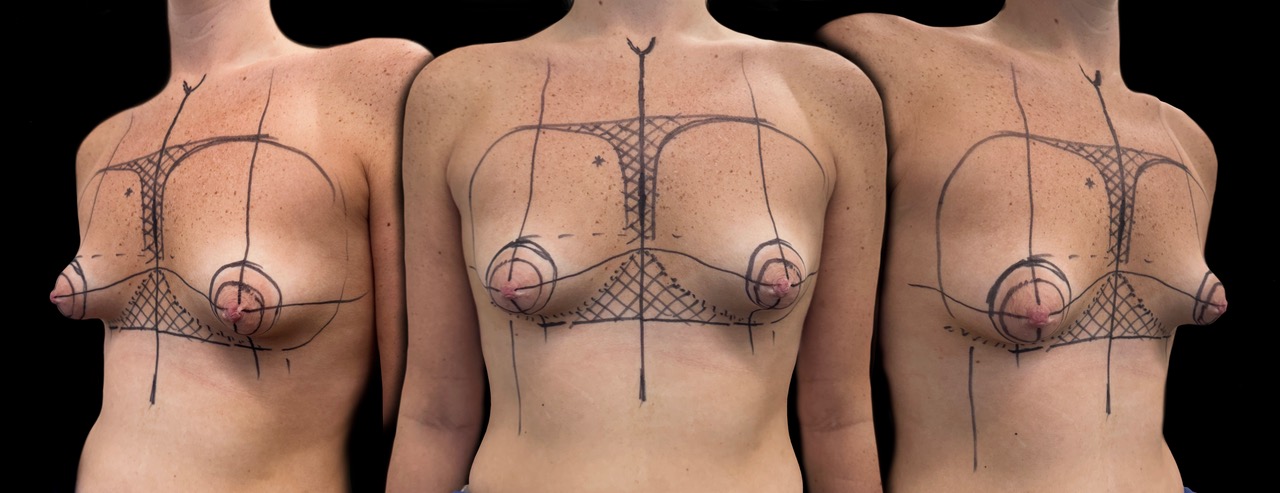
At Gooimeer Clinics, we treat tuberous breasts almost always with a combined reshaping approach:
releasing the tight connective tissue in the lower pole
creating space for a natural-looking lower pole
repositioning and often reducing the areola
shaping the breast around an implant
often adding an internal bra technique for support
In this context, the implant is not only used to add volume, but primarily as the central “shape-former” of the new breast.
When needed, we combine this with:
fat grafting (lipofilling) for softer transitions
correction of asymmetry
reinforcement of the inframammary fold
The goal: a naturally shaped breast with a normal lower pole, a calm and proportionate areola, and a beautiful cleavage.
Correcting tuberous breasts is technically demanding and involves many variations.
Over the past years, Dr. Van der Pot and Dr. Ahmed have further refined their technique and regularly present their results at international conferences.
They also perform live-surgery demonstrations and provide training for fellow plastic surgeons.
For patients, this means:
recognition of subtle forms of tuberous breasts
a tailored surgical approach
predictable, natural-looking results
The surgery is performed under general anaesthesia.
During the procedure:
the lower pole of the breast is released
the areola is often reduced and repositioned
the implant is placed
the breast is reshaped
an internal bra technique is applied when needed
You will usually stay one night in the clinic for observation.
Recovery is similar to a breast augmentation combined with a lift:
swelling and tenderness in the first weeks
wearing a supportive bra
light activities are usually possible after 1–2 weeks
gradually returning to sport and exercise
We assess the final result after a few months, once the breast has fully settled.
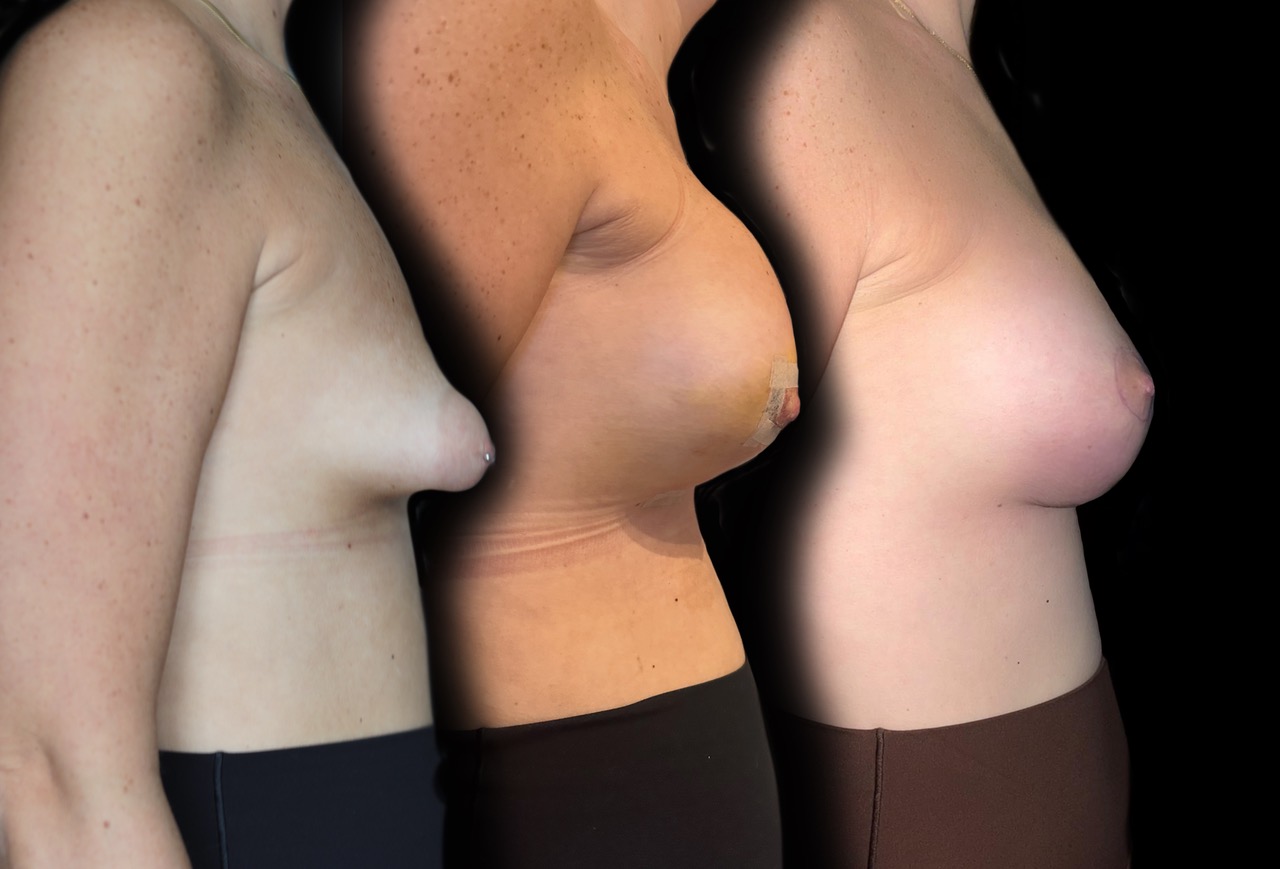
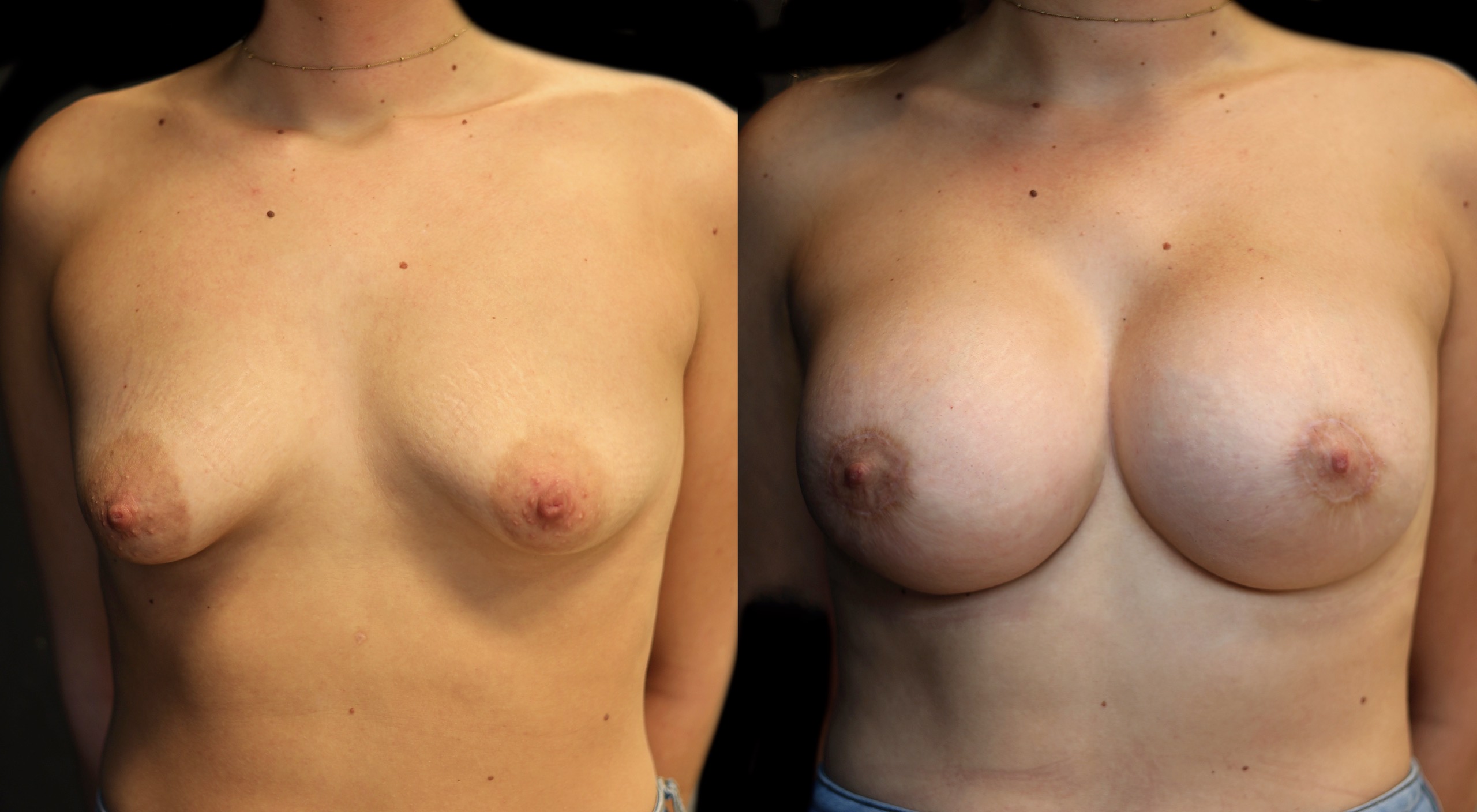
A correctly treated tuberous breast:
has a normal lower pole
a calm, natural breast shape
a better-filled cleavage
a well-proportioned areola
You remain yourself — but without the congenital breast shape difference.
In a standard breast augmentation, an implant is placed within an existing breast shape.
With tuberous breasts, there is often not enough space and flexibility in the lower pole.
Without additional corrections, the breast may remain:
high and tight in the lower pole
with a protruding areola (“puffy nipple”)
with an unnatural shape
That is why this condition requires an adapted surgical technique.
At Gooimeer Clinics, we treat tuberous breasts almost always with a combined reshaping approach:
releasing the tight connective tissue in the lower pole
creating space for a natural-looking lower pole
repositioning and often reducing the areola
shaping the breast around an implant
often adding an internal bra technique for support
In this context, the implant is not only used to add volume, but primarily as the central “shape-former” of the new breast.
When needed, we combine this with:
fat grafting (lipofilling) for softer transitions
correction of asymmetry
reinforcement of the inframammary fold
The goal: a naturally shaped breast with a normal lower pole, a calm and proportionate areola, and a beautiful cleavage.
Correcting tuberous breasts is technically demanding and involves many variations.
Over the past years, Dr. Van der Pot and Dr. Ahmed have further refined their technique and regularly present their results at international conferences.
They also perform live-surgery demonstrations and provide training for fellow plastic surgeons.
For patients, this means:
recognition of subtle forms of tuberous breasts
a tailored surgical approach
predictable, natural-looking results
The surgery is performed under general anaesthesia.
During the procedure:
the lower pole of the breast is released
the areola is often reduced and repositioned
the implant is placed
the breast is reshaped
an internal bra technique is applied when needed
You will usually stay one night in the clinic for observation.
Recovery is similar to a breast augmentation combined with a lift:
swelling and tenderness in the first weeks
wearing a supportive bra
light activities are usually possible after 1–2 weeks
gradually returning to sport and exercise
We assess the final result after a few months, once the breast has fully settled.
A correctly treated tuberous breast:
has a normal lower pole
a calm, natural breast shape
a better-filled cleavage
a well-proportioned areola
You remain yourself — but without the congenital breast shape difference.
Click on a topic for more information
How do I know if I have tuberous (tubular) breasts?
During a personal consultation, the plastic surgeon assesses your breast shape and lower-pole development. Many women do not recognise tuberous breast development themselves, as it can be subtle and may have become their “normal.” We evaluate the breast base, inframammary fold, lower-pole shape and the areola.
Can tuberous breasts be corrected without implants?
In mild cases, correction may be possible without implants, for example with auto-augmentation (your own tissue) and/or fat grafting. In most tuberous breasts, however, an implant is needed to reliably shape the lower pole and maintain long-term stability. The right option depends on your anatomy and goals.
How visible are scars after tuberous breast correction?
Scars are permanent but usually fade well over time. Most commonly, there is a scar around the areola. Depending on severity and the required reshaping, a vertical scar down to the breast fold may also be needed. We place scars as carefully as possible and provide detailed scar-care guidance.
Is one operation usually enough for tuberous breasts?
In most cases, yes. In more severe cases, significant asymmetry or very tight tissue, a small minority of patients may benefit from a secondary refinement procedure. This is discussed openly during your consultation.
Is tuberous breast correction covered by insurance?
No. Gooimeer Clinics provides uninsured (cosmetic) care only, so the procedure is self-funded. During the consultation, you will receive a clear total price and we will discuss any optional add-ons (such as fat grafting).
Tuberous breasts require a tailored approach.
During a personal consultation, we will discuss openly:
whether tuberous breast development is present
which correction is technically most suitable
what you can realistically expect
No standard solutions — but true expertise.
You are welcome for a personal consultation at Gooimeer Clinics.
Sign up for our newsletter to stay up to date with the latest news.
Follow us on social media to stay up to date with our practice and see the latest stories.
Reviews