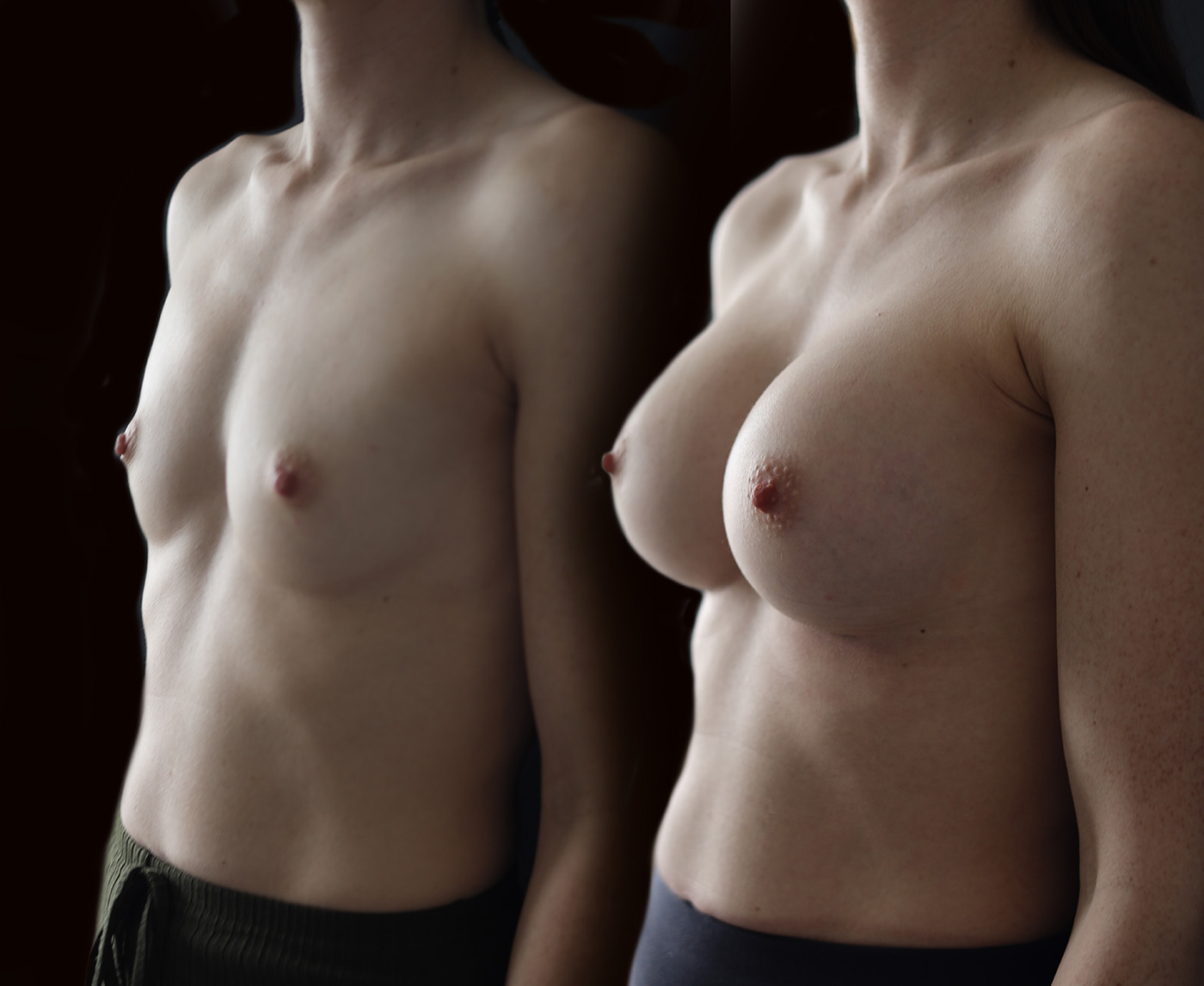
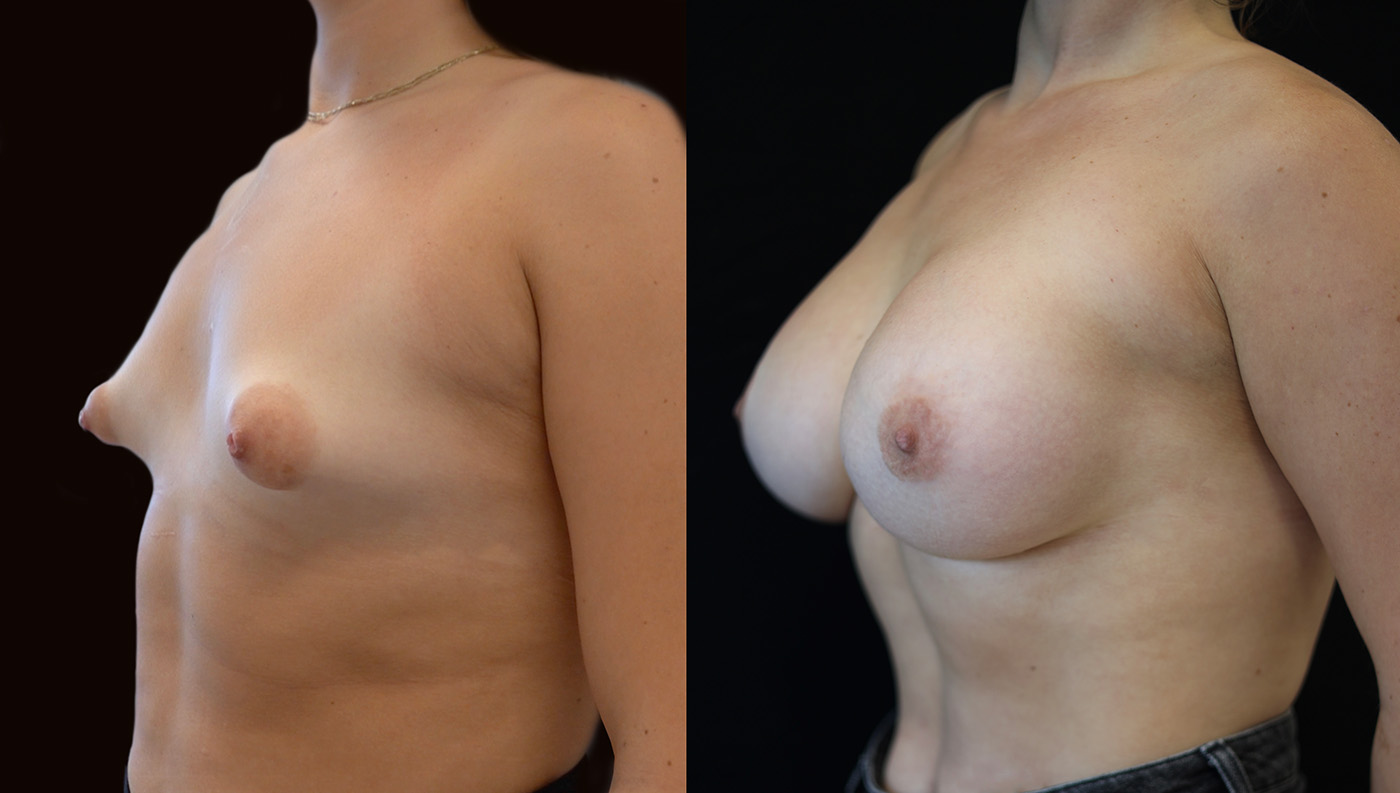
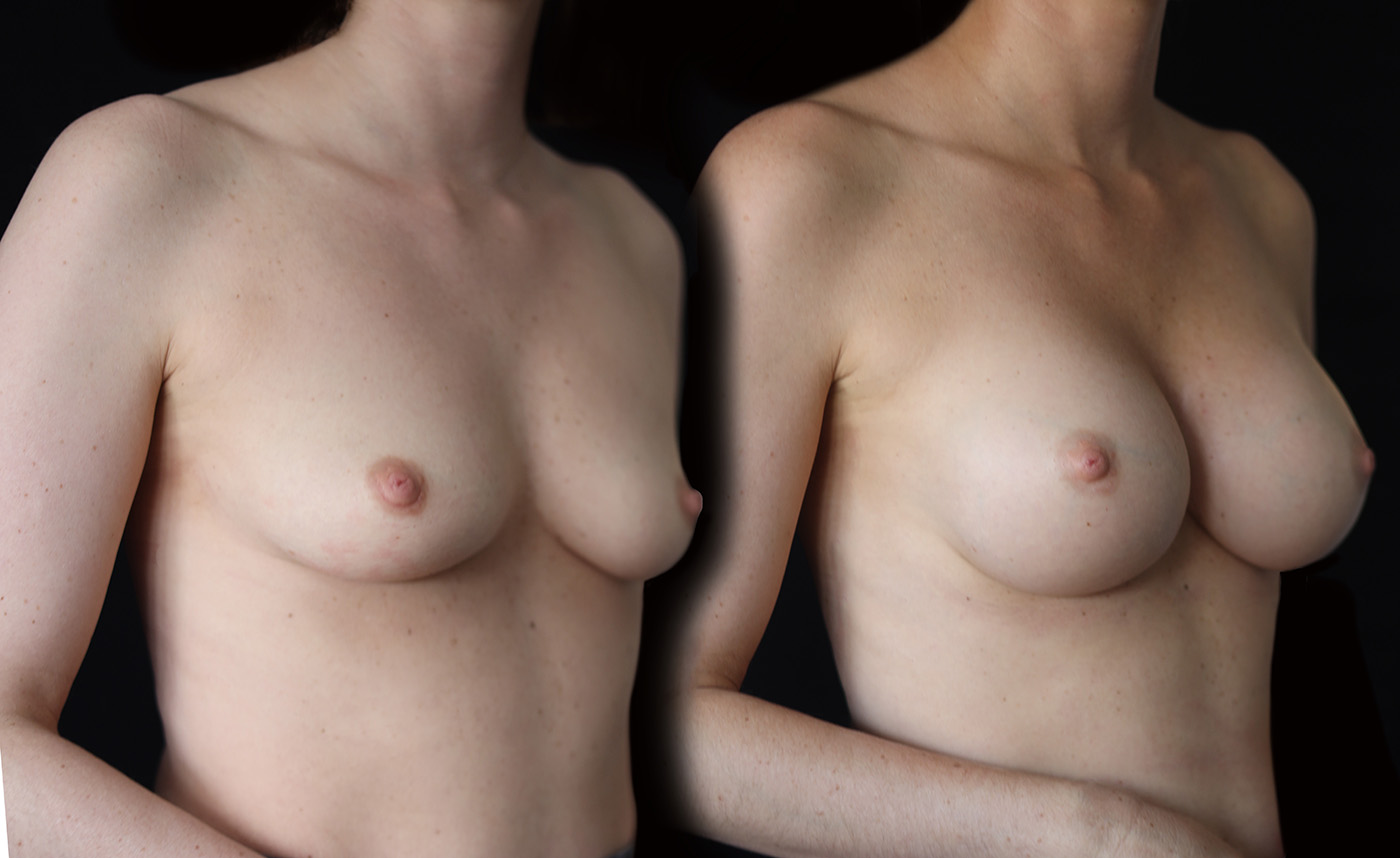
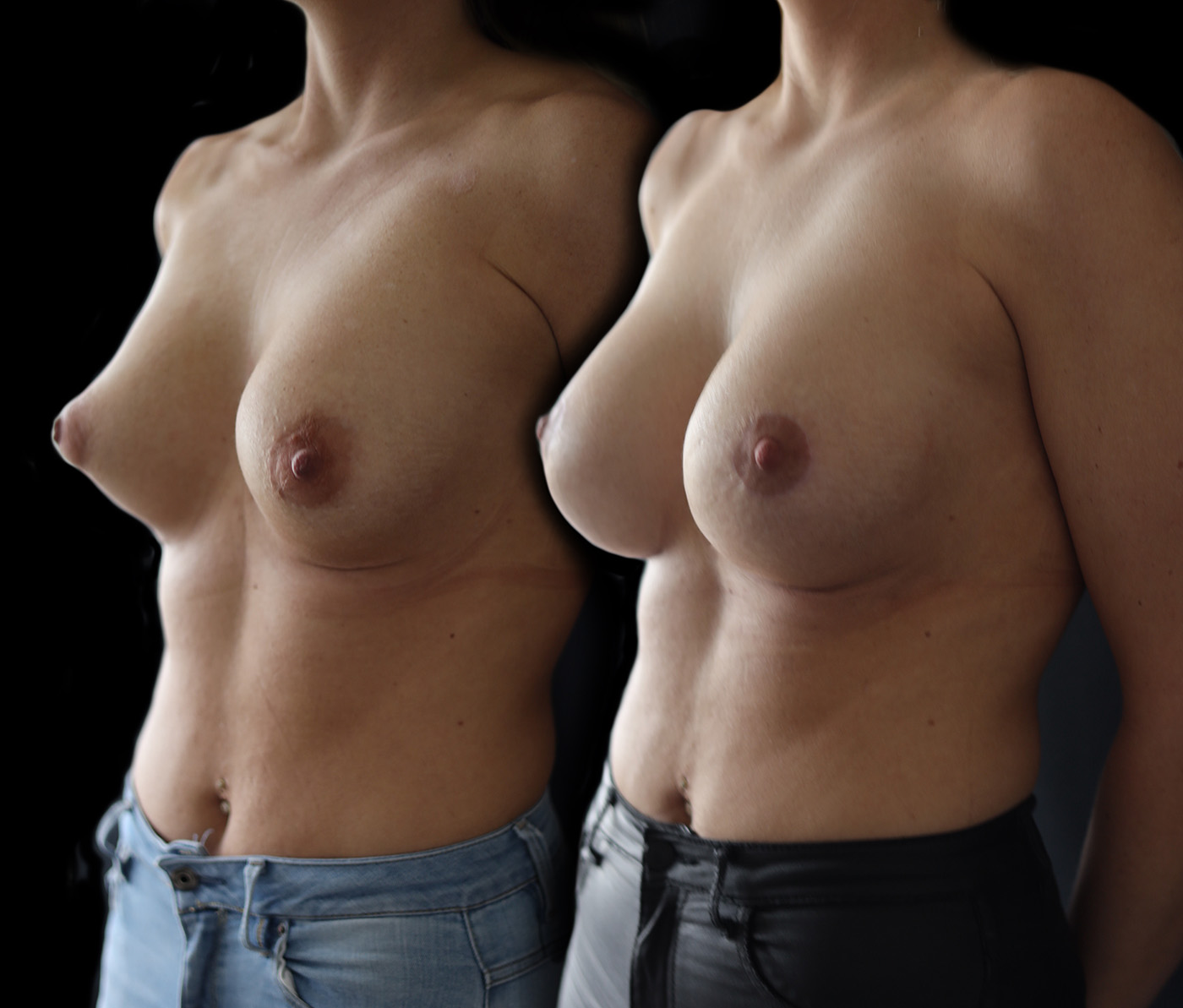
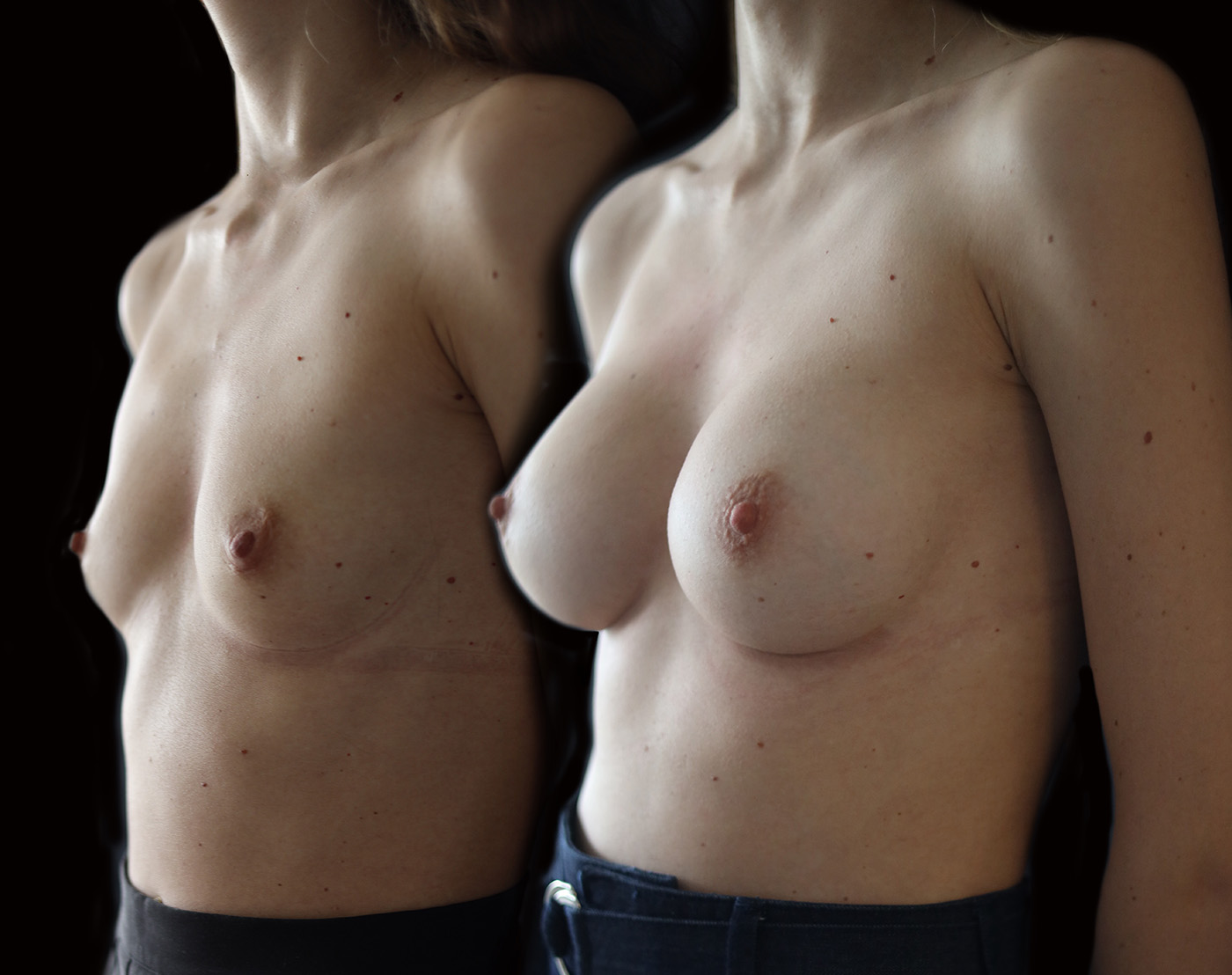
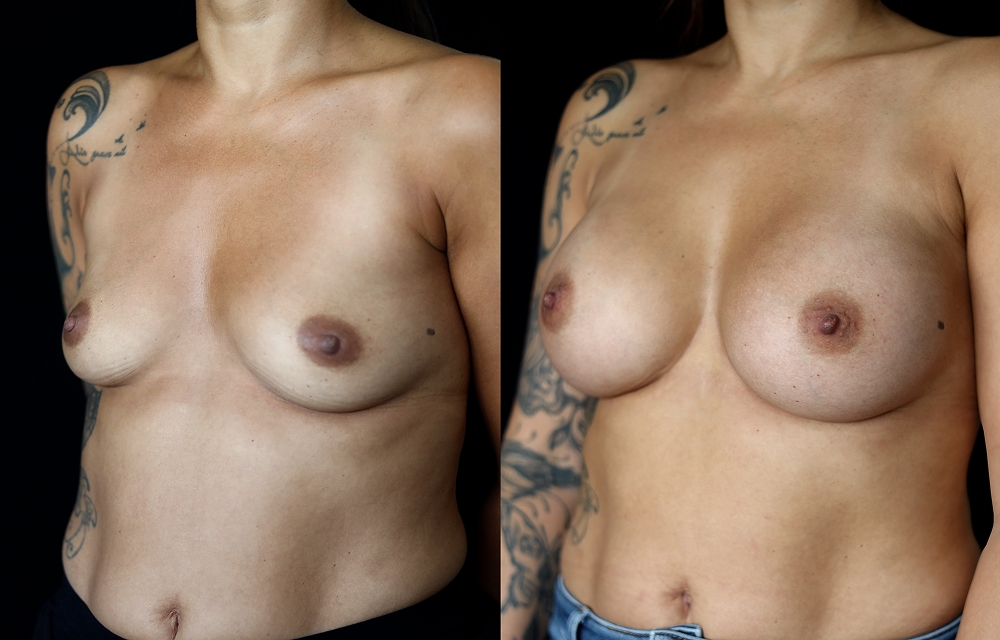
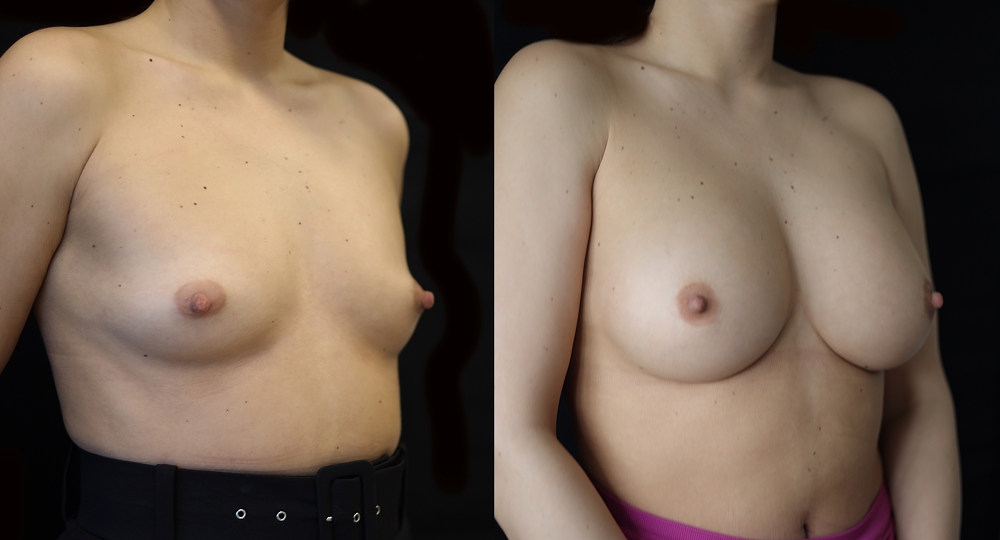
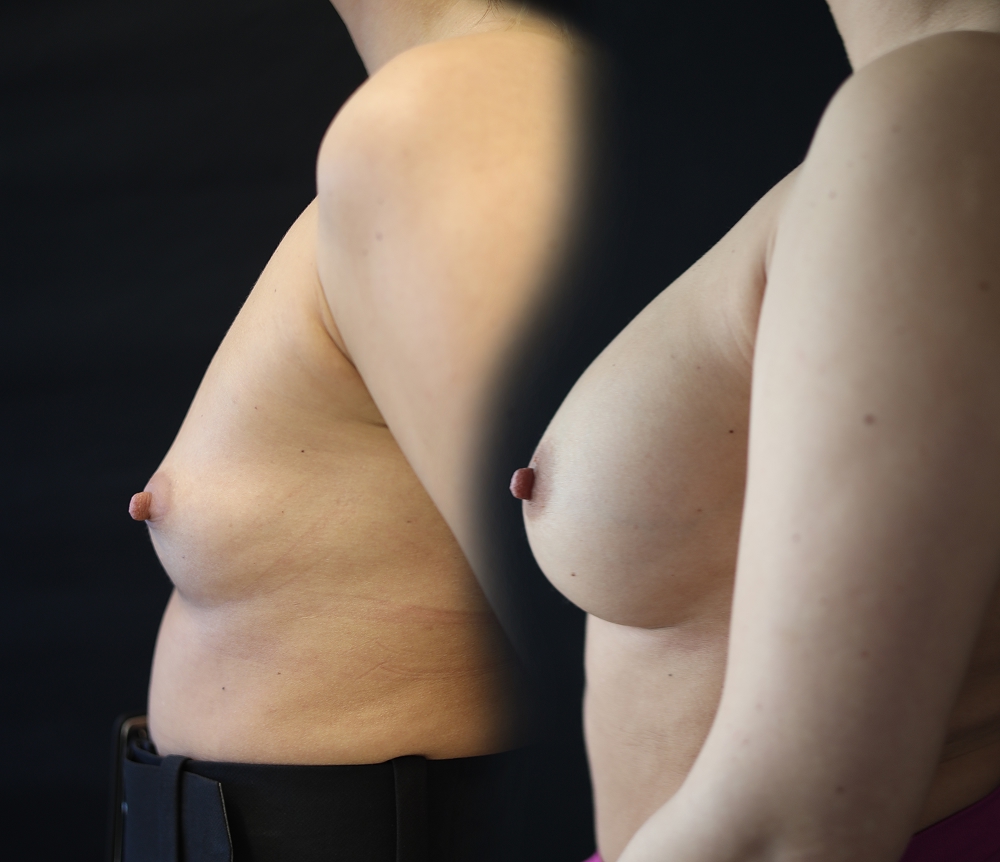
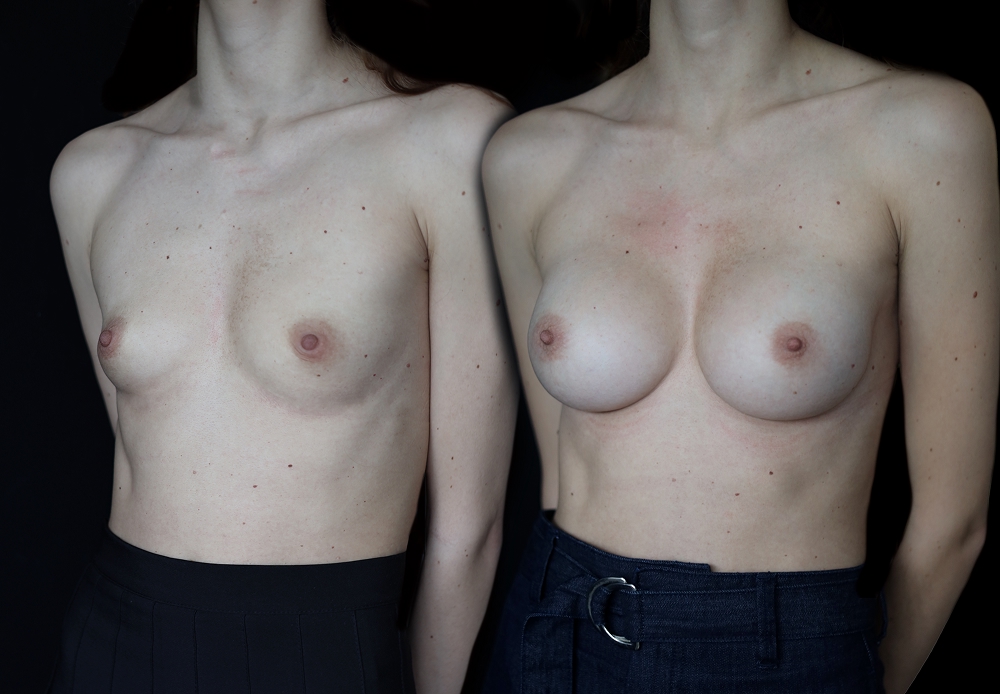
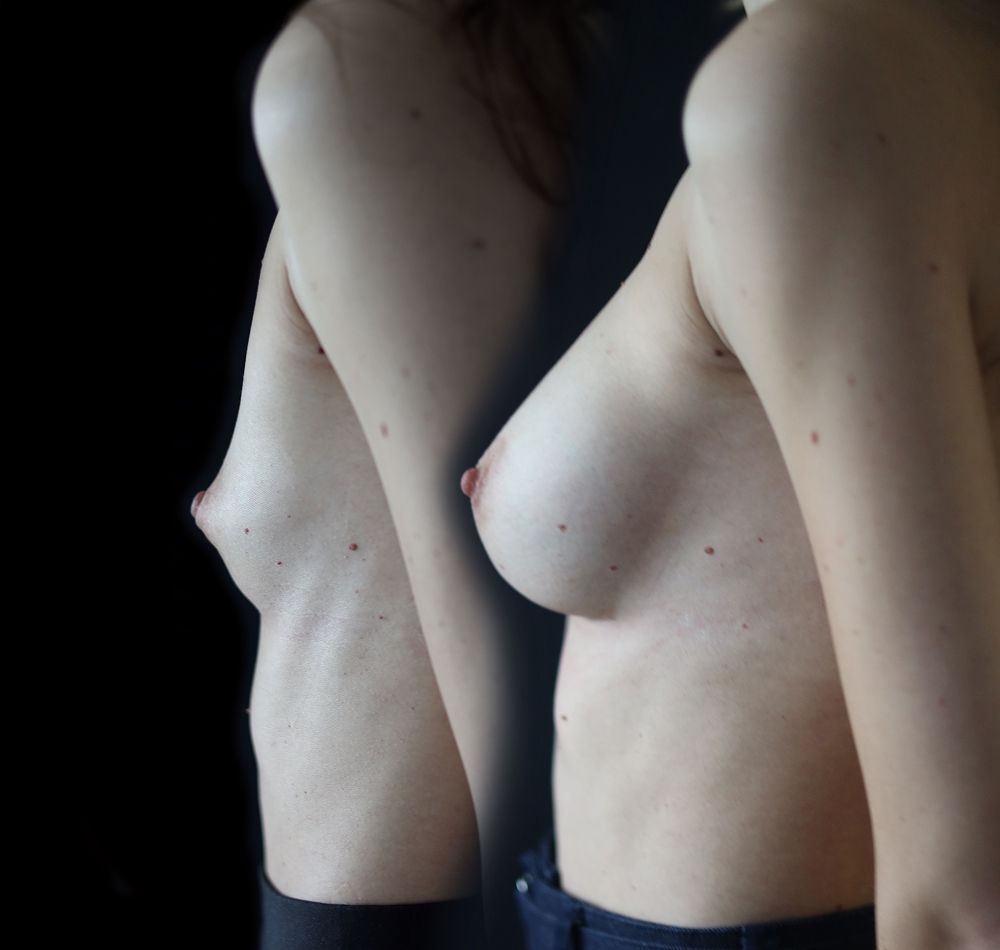
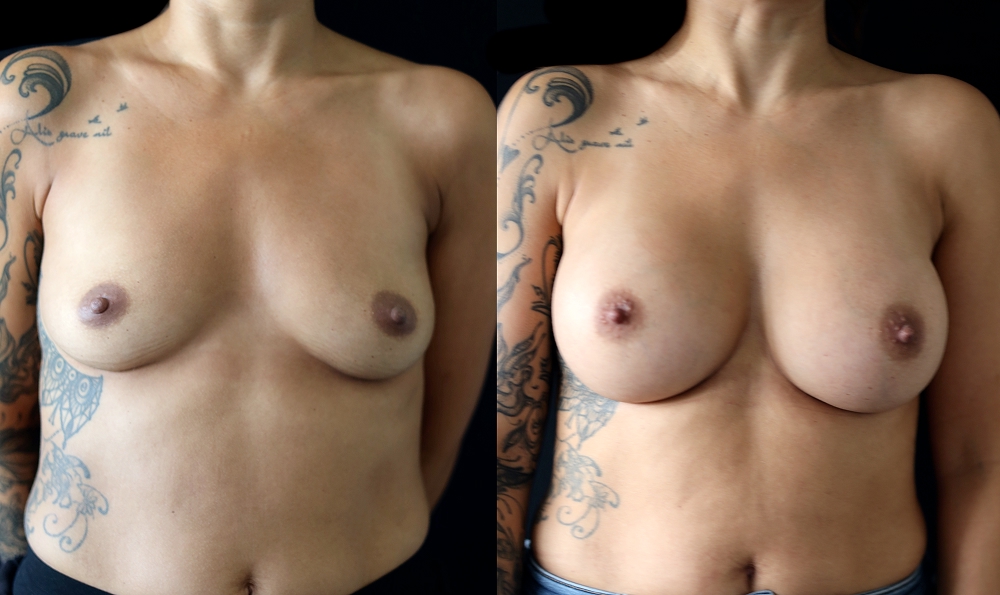
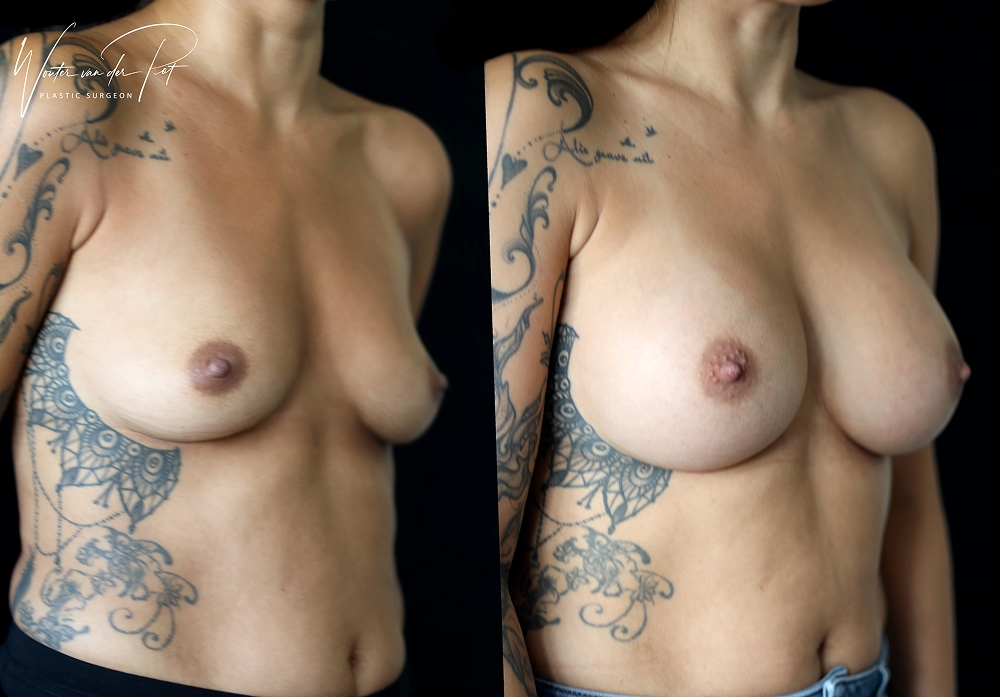
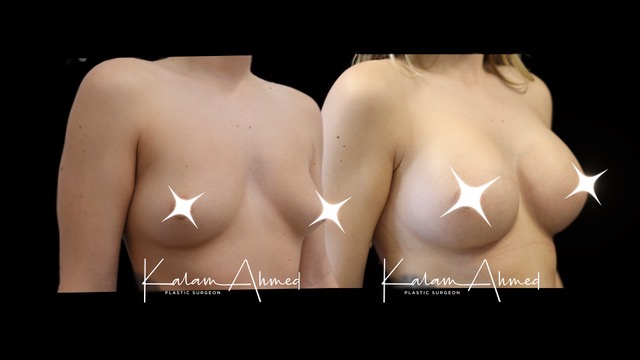
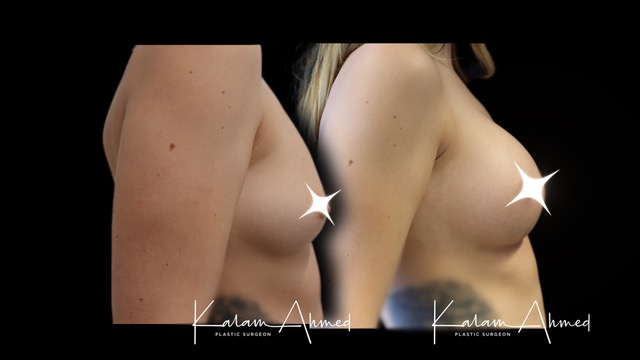
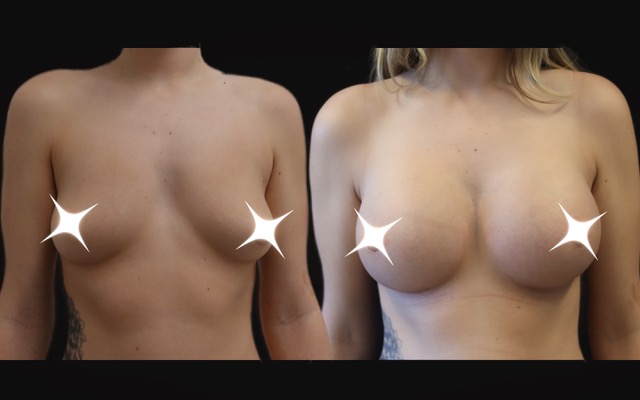
Breast augmentation is one of the most commonly performed cosmetic surgeries in the world, but that does not mean it is ‘routine work’. Breasts vary greatly in shape, width, skin quality, symmetry and firmness. And just as importantly, every woman has a different idea of what is “beautiful” and ‘natural’. That is why a good breast augmentation does not start in the operating theatre, but with an honest conversation and a careful plan.
At Gooimeer Clinics, breast surgery is one of our core specialisations. We strive for a natural-looking result that suits your body, your lifestyle and your wishes: feminine, balanced and with a beautiful, soft transition. Not “big for the sake of being big”, not tight and round like a ball, but a breast that matches the rest of your silhouette.
Dr. Wouter van der Pot and Dr. Kalam Ahmed are among the most experienced breast surgeons in the Netherlands within aesthetic plastic surgery. Internationally, they are regularly invited as speakers at conferences and masterclasses on modern breast surgery and innovative surgical techniques.
A key part of that expertise is our focus on tissue preservation: techniques that respect the tissues as much as possible, create less “trauma,” and therefore often lead to faster recovery, less postoperative discomfort, and a more natural shape.
Dr. Van der Pot and Dr. Ahmed were also the first in the Netherlands to apply the Tissue Preservation (Preserve®) method. That pioneering role aligns with our philosophy: not performing the most procedures, but the most thoughtfully chosen procedure—using the most refined technique.
Click on the subject to find more information about this treatment
The goal is usually more than “bigger.” In practice, it often involves a combination of:
more volume and femininity in clothing and lingerie
nicer cleavage or a fuller upper pole
restoration after pregnancy/breastfeeding or weight loss
improvement of shape and symmetry
A beautiful breast augmentation is about proportions: the right width, projection, implant shape, placement, and skin tension. During the consultation, we map this out together.
In the traditional method, the pocket (the space for the implant) is often created by “sharp” dissection. This works, but it also causes more tissue trauma and can be associated with more postoperative pain and a longer recovery time.
In a Tissue Preservation breast augmentation, we create the pocket differently: we gently and controllably stretch the connective tissue using a balloon (instead of more aggressive dissection). This creates a neatly formed “nest” into which the implant is placed. This nest functions like an internal bra: it supports, stabilises, and helps shape the breast in a natural way.
An important advantage is that in many patients we can place the implant over the pectoral muscle. This often means:
a more comfortable recovery
less discomfort when tightening the chest muscle (sports/fitness)
more natural breast movement
Which placement is best (over the muscle or partially under the muscle) is always tailored and depends on your own tissues, skin thickness, ribcage width, and the result you want.
A breast looks best when the transition from the chest wall to the implant is subtle—especially in the upper and inner areas. That is why, in selected cases, we combine breast augmentation with a small amount of lipofilling (fat transfer) along the edges of the implant. This can help to:
make the transition look even more natural
create a slightly nicer cleavage connection
reduce visibility/palpability of implant edges in slimmer patients
We always discuss this honestly: lipofilling is not necessary for everyone, and it is not beneficial for everyone.
Breast augmentation is usually performed under general anaesthesia. In most cases, you can go home the same day. We do recommend that someone stays with you for the first night.
During the procedure, we work as meticulously as possible: symmetry, pocket control, implant selection, and scar placement together determine the quality of the final result. It is precisely these “small” choices that make the difference between a good breast augmentation and an exceptionally natural breast augmentation.
Recovery differs per person, but on average:
1–2 weeks: most patients can return to work (depending on occupation)
after ±3 weeks: gradually resume gentle exercise (start with lower body)
6 weeks: usually back to full movement and training, including upper body (in consultation)
scars gradually fade over the course of the first year
The procedure is usually not extremely painful, but it can feel tight and bruised during the first few days. You will receive instructions, pain relief, and (if applicable) antibiotics, as well as a supportive postoperative bra.
Possible complications (clear and transparent)
No surgery is without risk, and breast augmentation is no exception. Fortunately, serious complications are rare, but we consider it important that you know what to look out for.
Possible complications include:
Bleeding/hematoma: usually within the first 24–48 hours; sometimes an additional procedure is needed to remove the blood.
Infection: rare, but important to recognise quickly; treatment may include antibiotics and, in exceptional cases, temporary removal of the implant.
Neuropraxia (temporary nerve irritation): this can present as numbness or tingling in the skin/nipple area. It occurs in approximately 1 in 30 patients and usually resolves spontaneously within a few weeks up to about 6 weeks.
Capsular contracture: the body always forms a capsule around an implant; in some cases this capsule can tighten and cause symptoms.
Asymmetry, implant displacement, or “bottoming out”: risks we minimise as much as possible through careful analysis, pocket control, and appropriate implant selection.
During the consultation, we discuss your personal risk profile, including factors such as smoking, wound healing, sports strain, and skin quality.
Soon, MIA FemTech™ will also be available at Gooimeer Clinics: an innovative tissue-preservation technique in which a smaller implant can be inserted through the armpit, potentially under local anaesthesia. This is not suitable for everyone, but for some women it can be an interesting alternative. You can find more information on a dedicated page on our website.
The goal is usually more than “bigger.” In practice, it often involves a combination of:
more volume and femininity in clothing and lingerie
nicer cleavage or a fuller upper pole
restoration after pregnancy/breastfeeding or weight loss
improvement of shape and symmetry
A beautiful breast augmentation is about proportions: the right width, projection, implant shape, placement, and skin tension. During the consultation, we map this out together.
In the traditional method, the pocket (the space for the implant) is often created by “sharp” dissection. This works, but it also causes more tissue trauma and can be associated with more postoperative pain and a longer recovery time.
In a Tissue Preservation breast augmentation, we create the pocket differently: we gently and controllably stretch the connective tissue using a balloon (instead of more aggressive dissection). This creates a neatly formed “nest” into which the implant is placed. This nest functions like an internal bra: it supports, stabilises, and helps shape the breast in a natural way.
An important advantage is that in many patients we can place the implant over the pectoral muscle. This often means:
a more comfortable recovery
less discomfort when tightening the chest muscle (sports/fitness)
more natural breast movement
Which placement is best (over the muscle or partially under the muscle) is always tailored and depends on your own tissues, skin thickness, ribcage width, and the result you want.
A breast looks best when the transition from the chest wall to the implant is subtle—especially in the upper and inner areas. That is why, in selected cases, we combine breast augmentation with a small amount of lipofilling (fat transfer) along the edges of the implant. This can help to:
make the transition look even more natural
create a slightly nicer cleavage connection
reduce visibility/palpability of implant edges in slimmer patients
We always discuss this honestly: lipofilling is not necessary for everyone, and it is not beneficial for everyone.
Breast augmentation is usually performed under general anaesthesia. In most cases, you can go home the same day. We do recommend that someone stays with you for the first night.
During the procedure, we work as meticulously as possible: symmetry, pocket control, implant selection, and scar placement together determine the quality of the final result. It is precisely these “small” choices that make the difference between a good breast augmentation and an exceptionally natural breast augmentation.
Recovery differs per person, but on average:
1–2 weeks: most patients can return to work (depending on occupation)
after ±3 weeks: gradually resume gentle exercise (start with lower body)
6 weeks: usually back to full movement and training, including upper body (in consultation)
scars gradually fade over the course of the first year
The procedure is usually not extremely painful, but it can feel tight and bruised during the first few days. You will receive instructions, pain relief, and (if applicable) antibiotics, as well as a supportive postoperative bra.
Possible complications (clear and transparent)
No surgery is without risk, and breast augmentation is no exception. Fortunately, serious complications are rare, but we consider it important that you know what to look out for.
Possible complications include:
Bleeding/hematoma: usually within the first 24–48 hours; sometimes an additional procedure is needed to remove the blood.
Infection: rare, but important to recognise quickly; treatment may include antibiotics and, in exceptional cases, temporary removal of the implant.
Neuropraxia (temporary nerve irritation): this can present as numbness or tingling in the skin/nipple area. It occurs in approximately 1 in 30 patients and usually resolves spontaneously within a few weeks up to about 6 weeks.
Capsular contracture: the body always forms a capsule around an implant; in some cases this capsule can tighten and cause symptoms.
Asymmetry, implant displacement, or “bottoming out”: risks we minimise as much as possible through careful analysis, pocket control, and appropriate implant selection.
During the consultation, we discuss your personal risk profile, including factors such as smoking, wound healing, sports strain, and skin quality.
Soon, MIA FemTech™ will also be available at Gooimeer Clinics: an innovative tissue-preservation technique in which a smaller implant can be inserted through the armpit, potentially under local anaesthesia. This is not suitable for everyone, but for some women it can be an interesting alternative. You can find more information on a dedicated page on our website.
Together, we will find the treatment that suits you best, with personal attention and honest advice.
Breast augmentation is rarely just “making them bigger”. It is about proportions, softness, shape, cleavage, implant positioning and a result that fits your body and lifestyle. During the consultation, we take the time to analyse your anatomy and goals and create a tailored plan — with honest advice on what is worthwhile and what is not.
During the consultation, you will receive:
an anatomical assessment: breast base width, skin elasticity, tissue thickness, symmetry, nipple position and inframammary fold
a discussion of your goals: desired shape (subtle/natural versus more projection), cleavage, size preference and clothing goals
implant selection: type, shape, width/diameter, projection and volume (cc), matched to your chest anatomy
placement and technique: pocket choice (for example, behind breast tissue or combined), incision location (often the breast fold) and a strategy for a natural drape
safety and risks: capsular contracture, infection, bleeding, sensation changes, implant displacement/asymmetry, rippling and long-term follow-up
alternatives and add-ons: fat grafting for softer transitions, asymmetry correction, or a lift if there is significant sagging
recovery planning: supportive bra, early restrictions, return to work/sport, follow-ups and aftercare
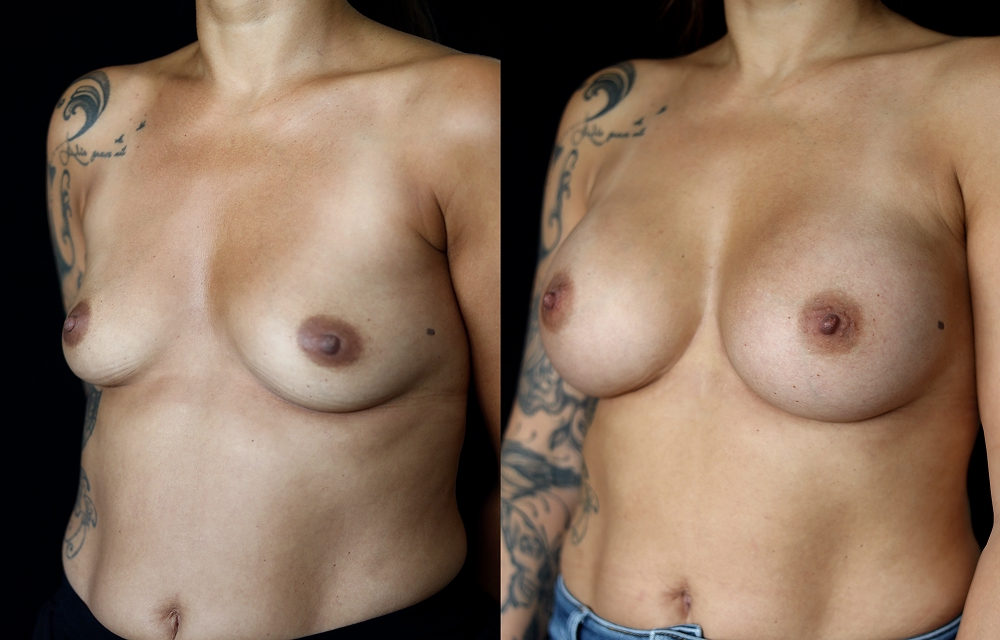
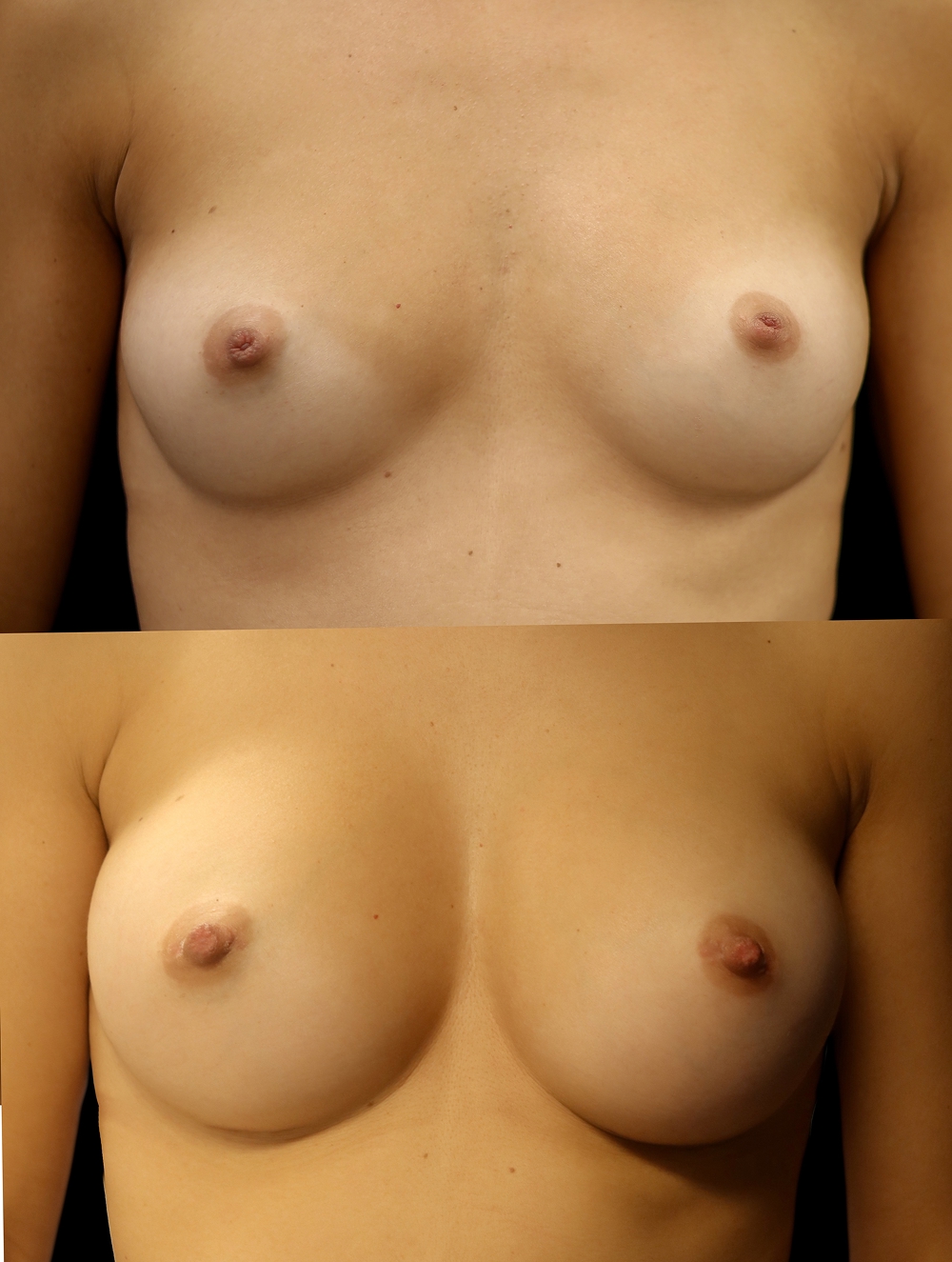
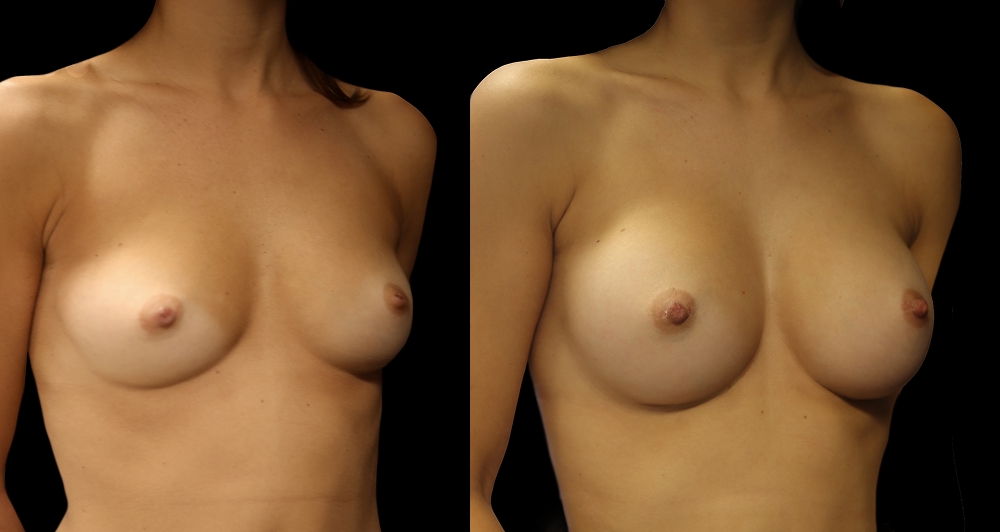
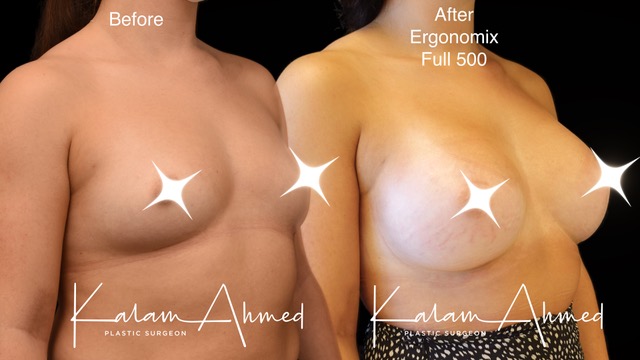
example results and a personalised treatment plan with transparent pricing
Then we invite you for a personal consultation at Gooimeer Clinics.
What exactly is Tissue Preservation (Preserve®) in Preserve Breast Augmentation?
In Preserve Breast Augmentation using Tissue Preservation (Preserve®), we respect the tissues as much as possible and create the implant pocket in a controlled way, often with the help of a balloon. This forms a supportive “nest” for the implant. Many patients experience less tissue trauma, often a more comfortable recovery, and a more natural shape.
In your breast augmentation procedures, is the implant usually placed over the muscle?
In many breast augmentation cases, the implant is placed over the muscle because this is often more comfortable and can look very natural. However, it is not a one-size-fits-all approach. With thin tissue coverage or certain breast shapes, a partial or full under-the-muscle placement may be more suitable. We determine the best placement based on your anatomy and your goals.
Will a breast augmentation give me a very round or “fake” look?
Not if that is not what you want. Our starting point in breast augmentation is a natural result that fits your body. Implant width, projection, and placement largely determine the final look. During your consultation, we tailor these choices precisely and also discuss what is and isn’t realistic for your tissues.
Does fat grafting really help create nicer cleavage with breast augmentation?
With the right indication, yes. In breast augmentation, fat grafting can soften the implant edges and create a more natural transition, especially in slimmer patients or when a softer cleavage is desired. However, it isn’t always necessary and isn’t always the best option—this is discussed openly during your consultation.
How long until I can exercise again after breast augmentation?
After breast augmentation, many patients can start gentle lower-body training at around 3 weeks. Heavier workouts and upper-body training are usually built up after about 6 weeks, depending on your recovery and the technique used. You will receive a clear, step-by-step return-to-exercise plan.
How long do implants last after breast augmentation?
Implants used in breast augmentation are durable, but they are not guaranteed “for life.” Many women wear them without issues for a long time. We recommend regular follow-up and prompt assessment if you notice changes or develop symptoms. During your consultation, we also discuss follow-up and potential imaging in the future.
What are the most common complications of breast augmentation?
The most common after-effects after breast augmentation are temporary swelling and tenderness, and sometimes a temporary sensation change (neuropraxia). More serious complications such as bleeding or infection are less common, but they are always taken seriously. We explain how we reduce risks and what we do if they occur.
Do I need to stay overnight after breast augmentation?
Usually not. Breast augmentation is typically a day-case procedure. We do recommend that someone stays with you for the first night. In certain situations, an overnight stay may be appropriate; this is discussed in advance.
Can I breastfeed after breast augmentation?
In many cases, yes. After breast augmentation, this depends on the incision choice and your starting anatomy. We discuss future pregnancy and breastfeeding plans explicitly during the consultation and choose the technique that best supports those goals.
Click on an article to see more information
Sign up for our newsletter to stay up to date with the latest news.
Follow us on social media to stay up to date with our practice and see the latest stories.