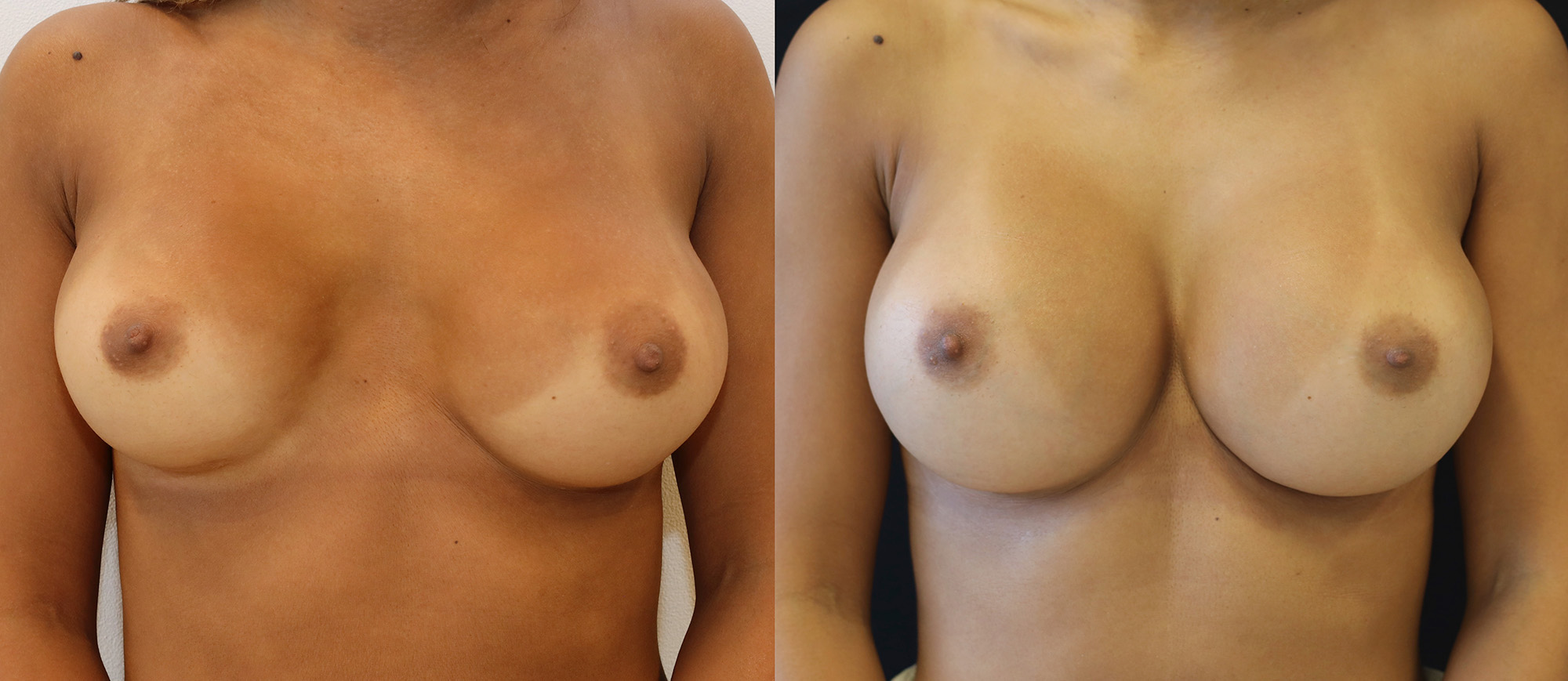
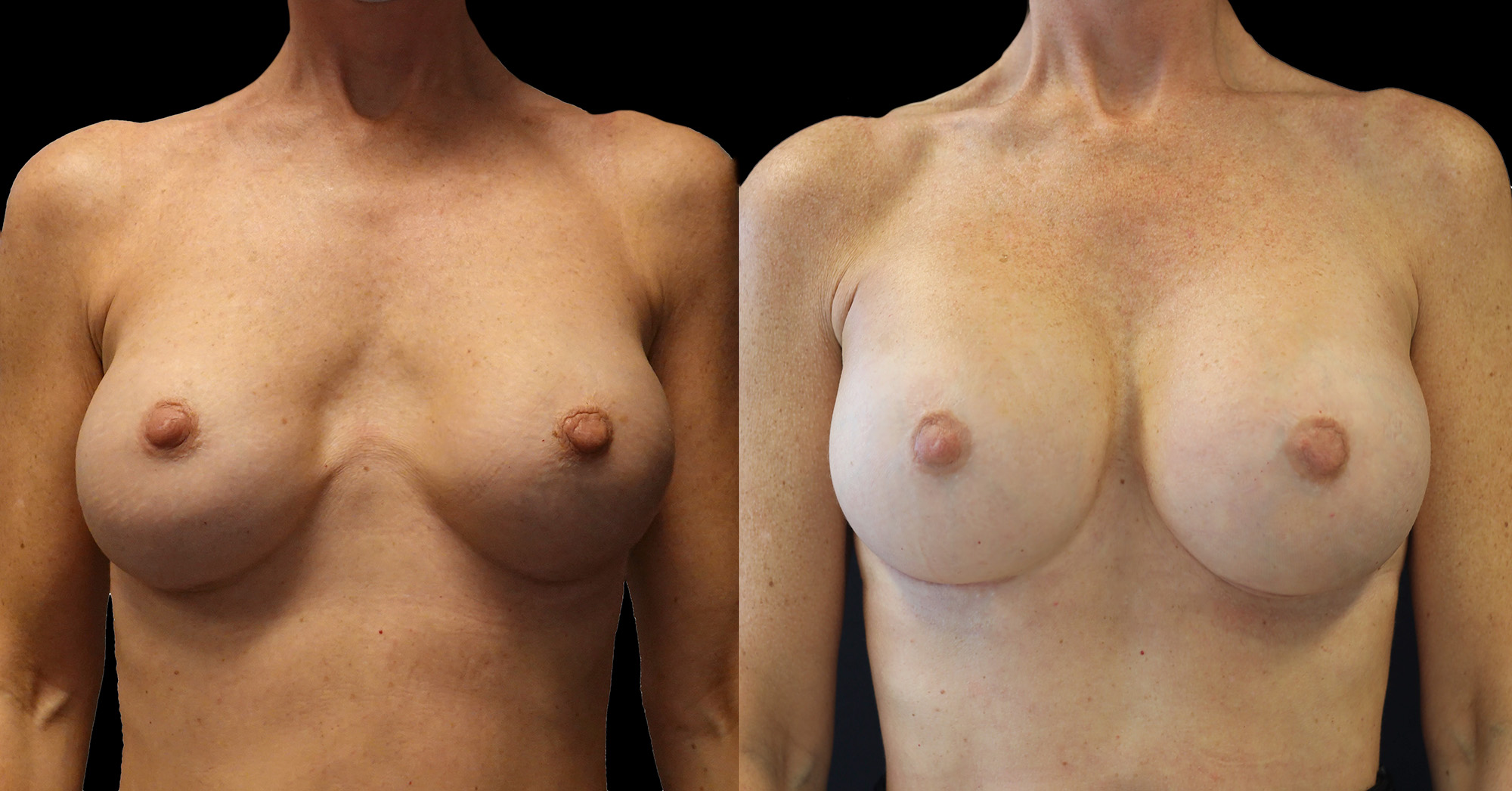
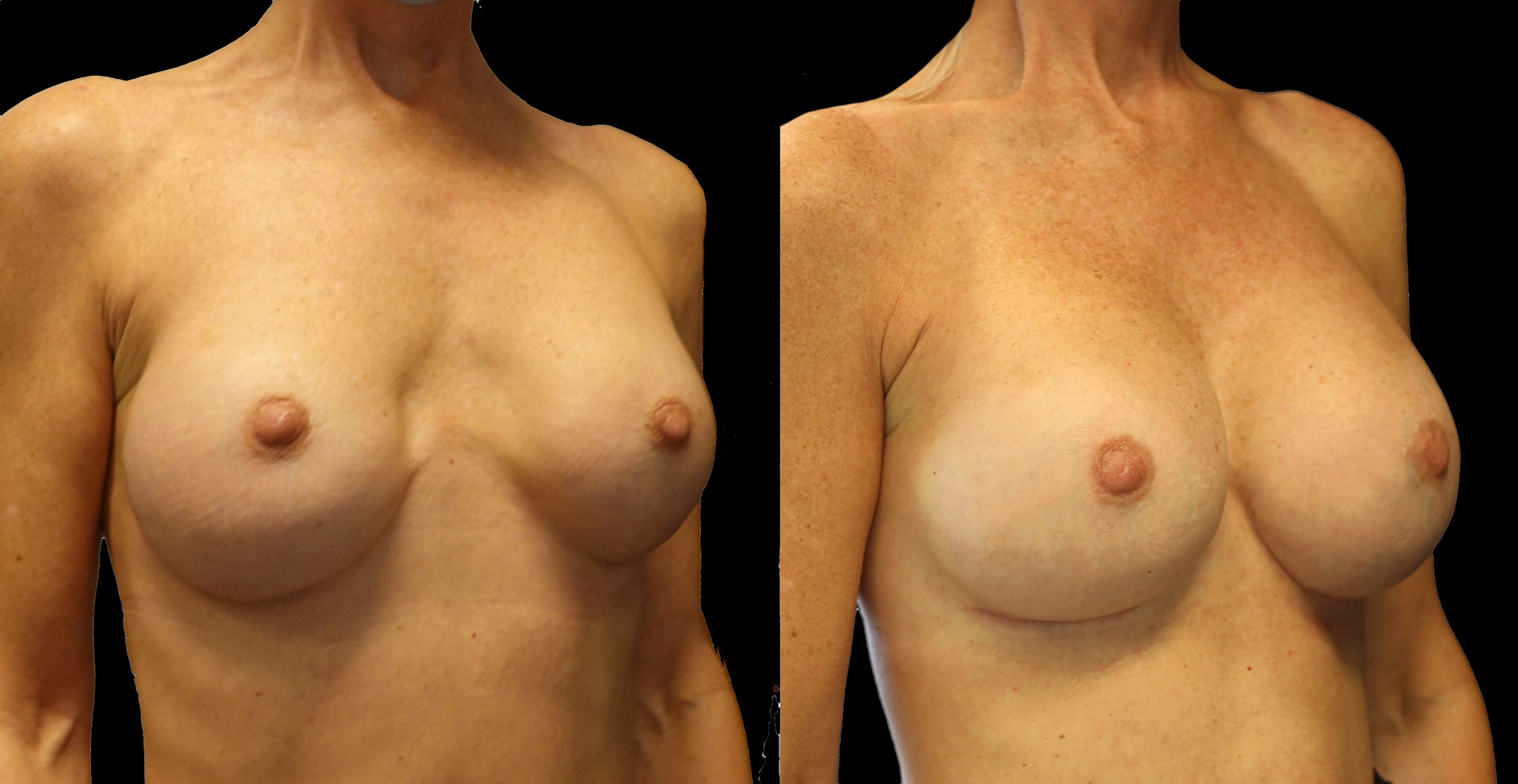
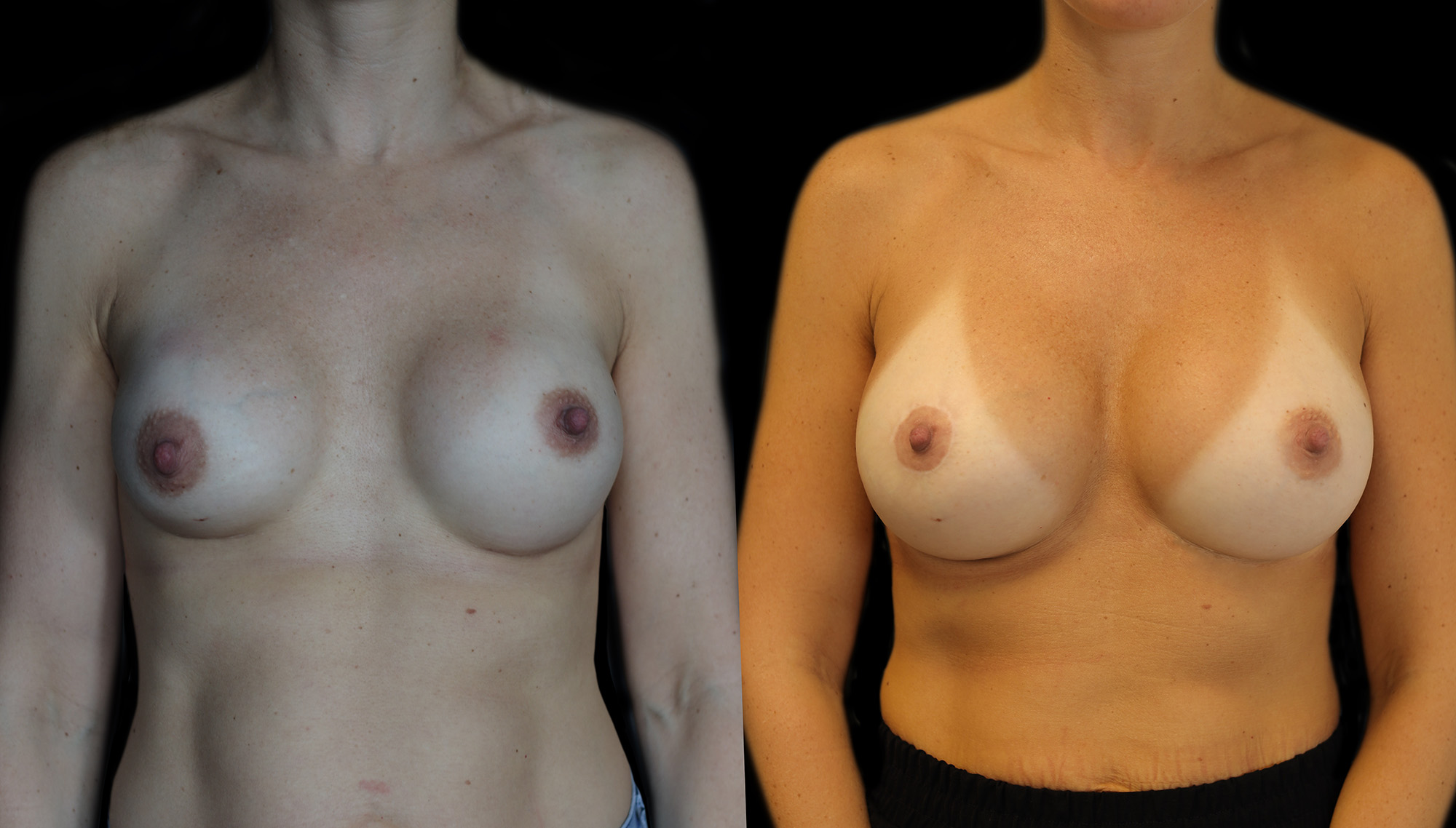
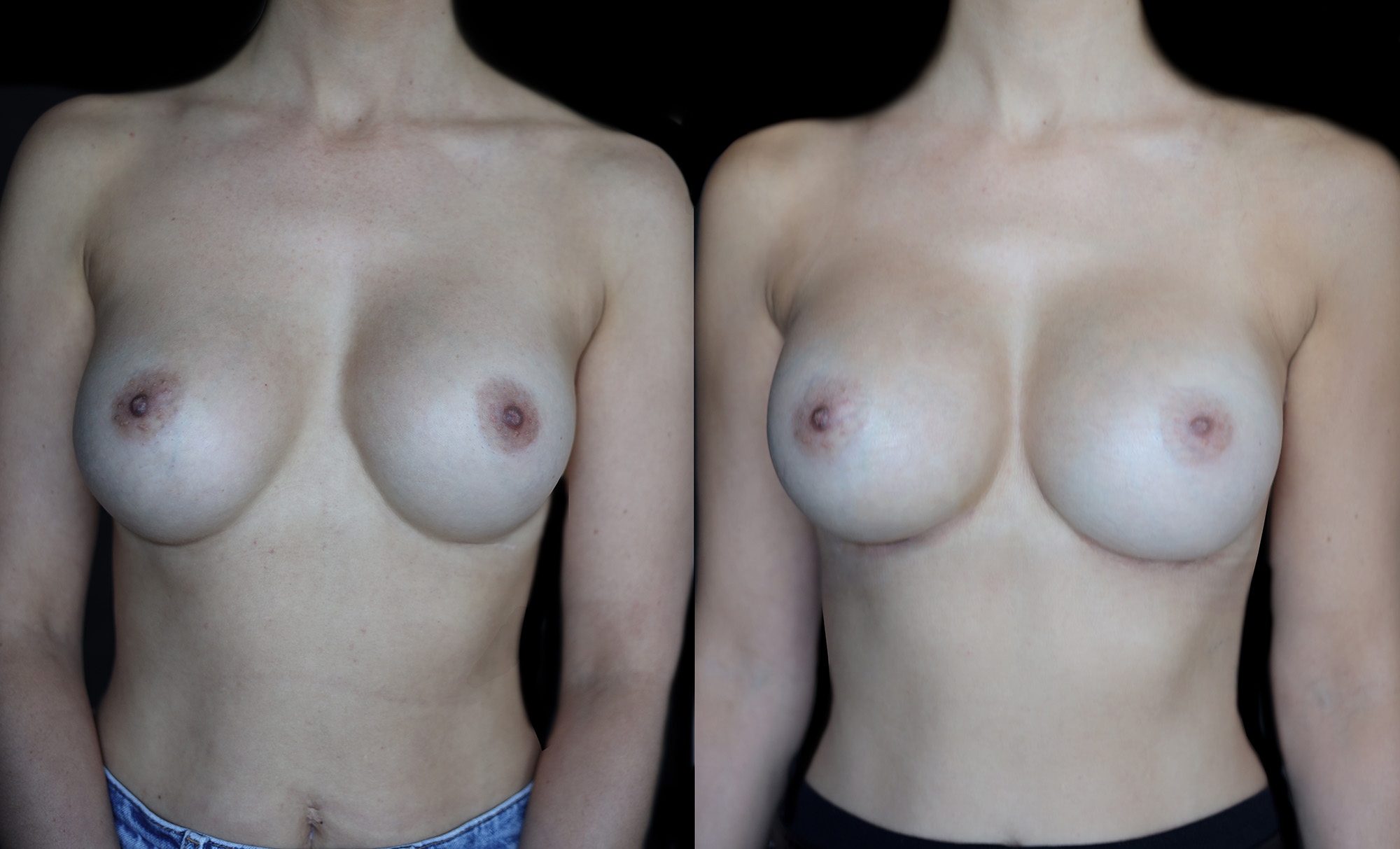
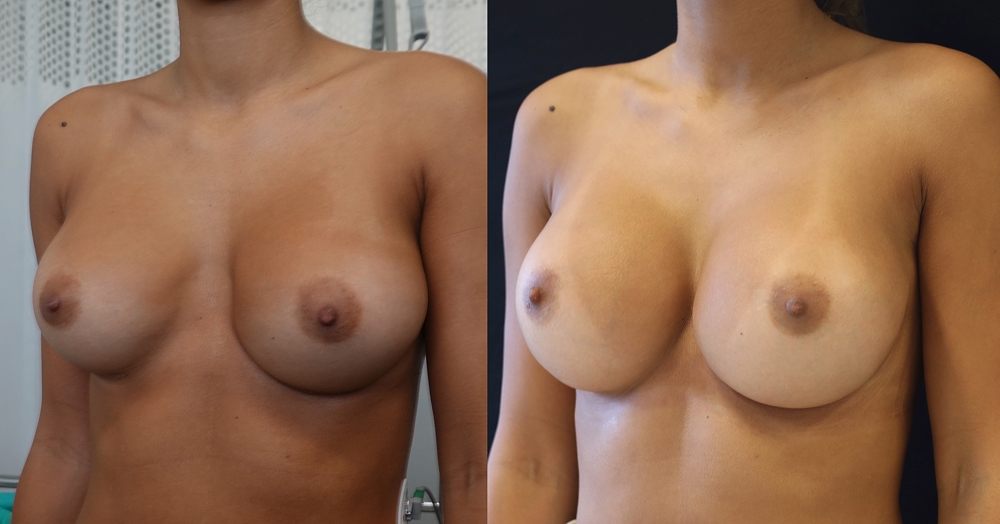
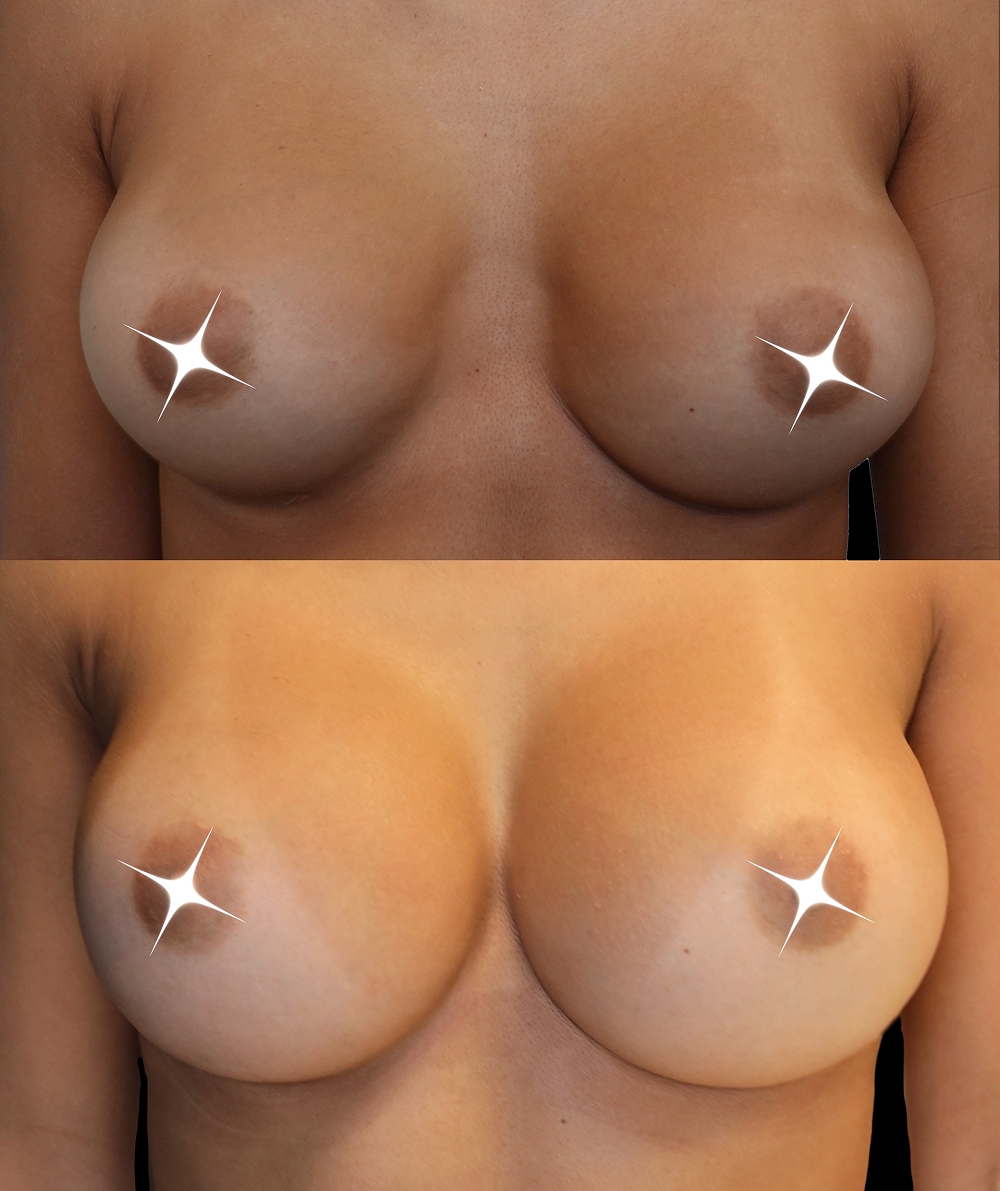
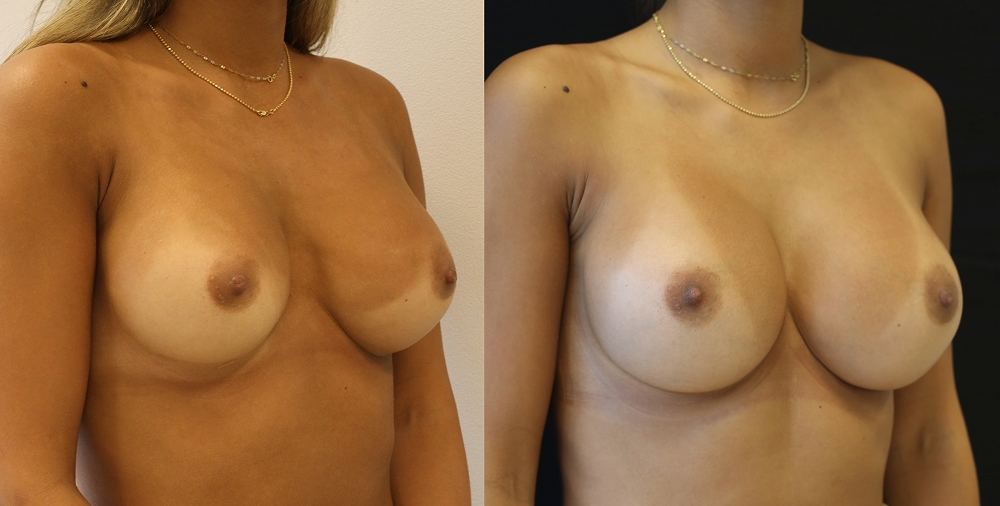
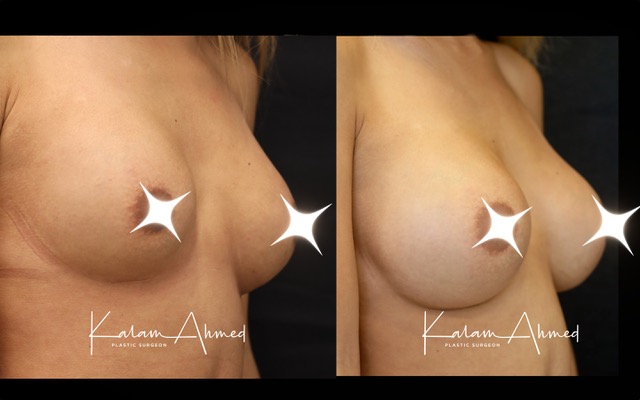
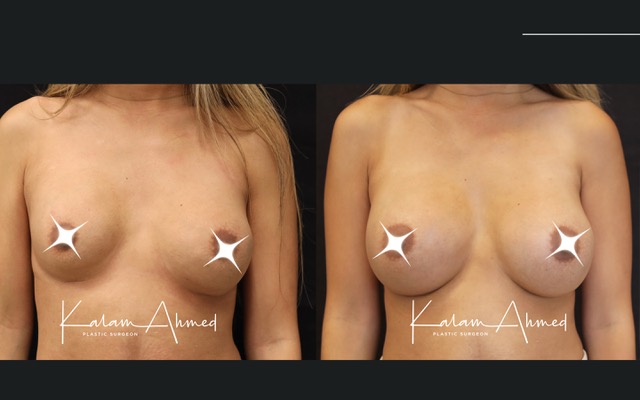
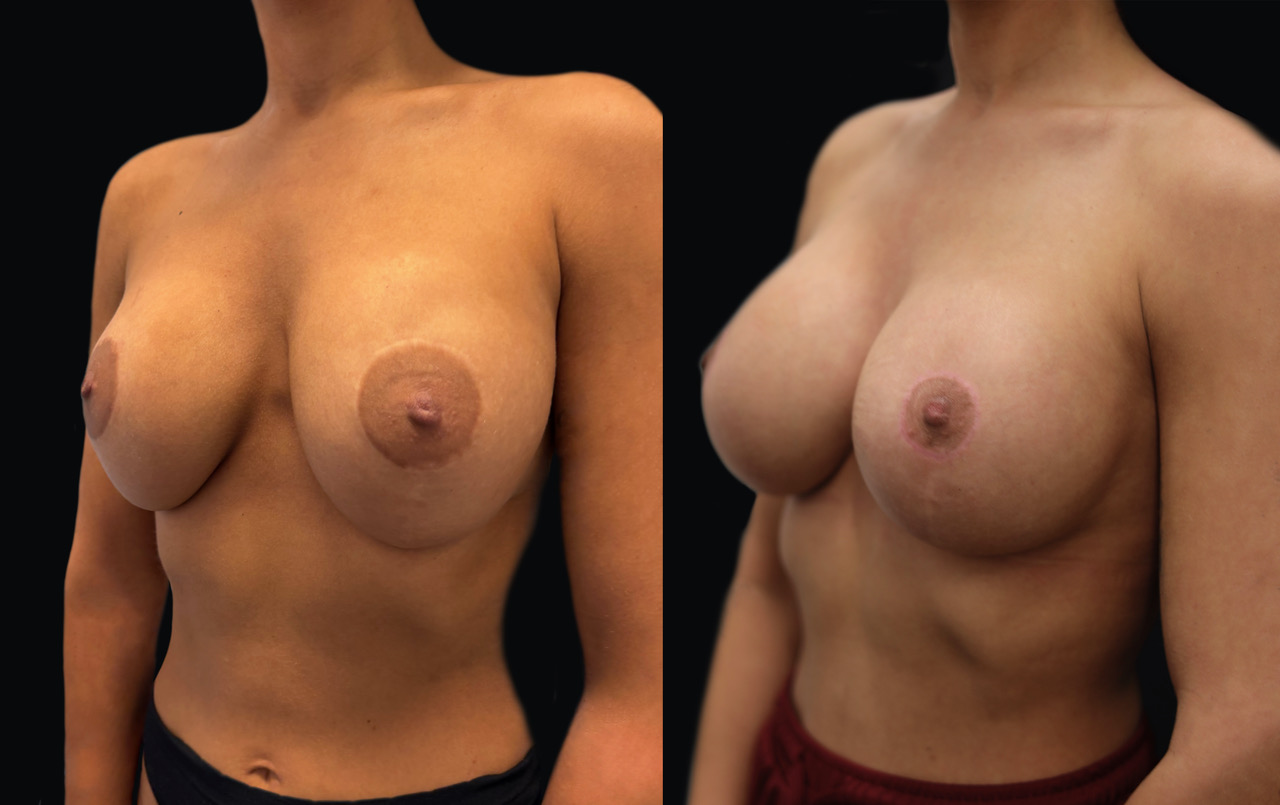
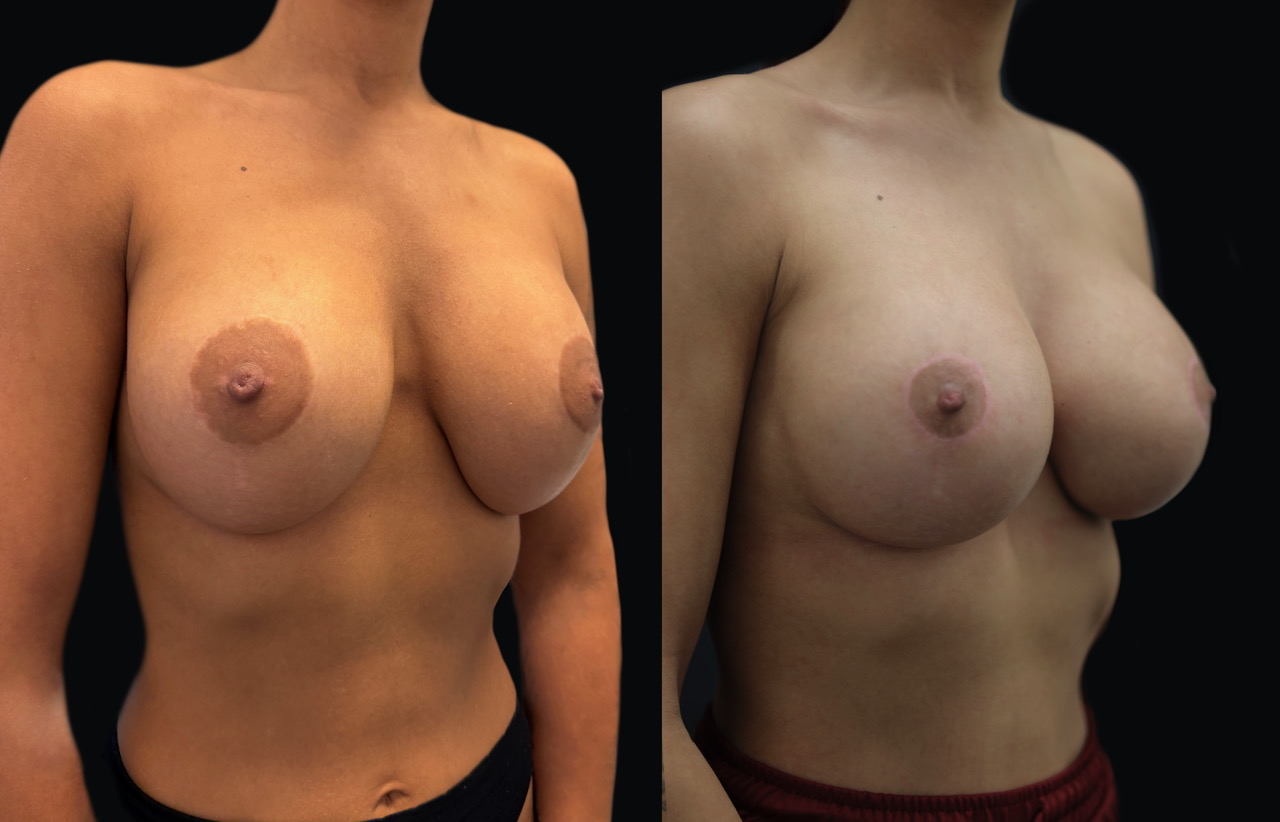
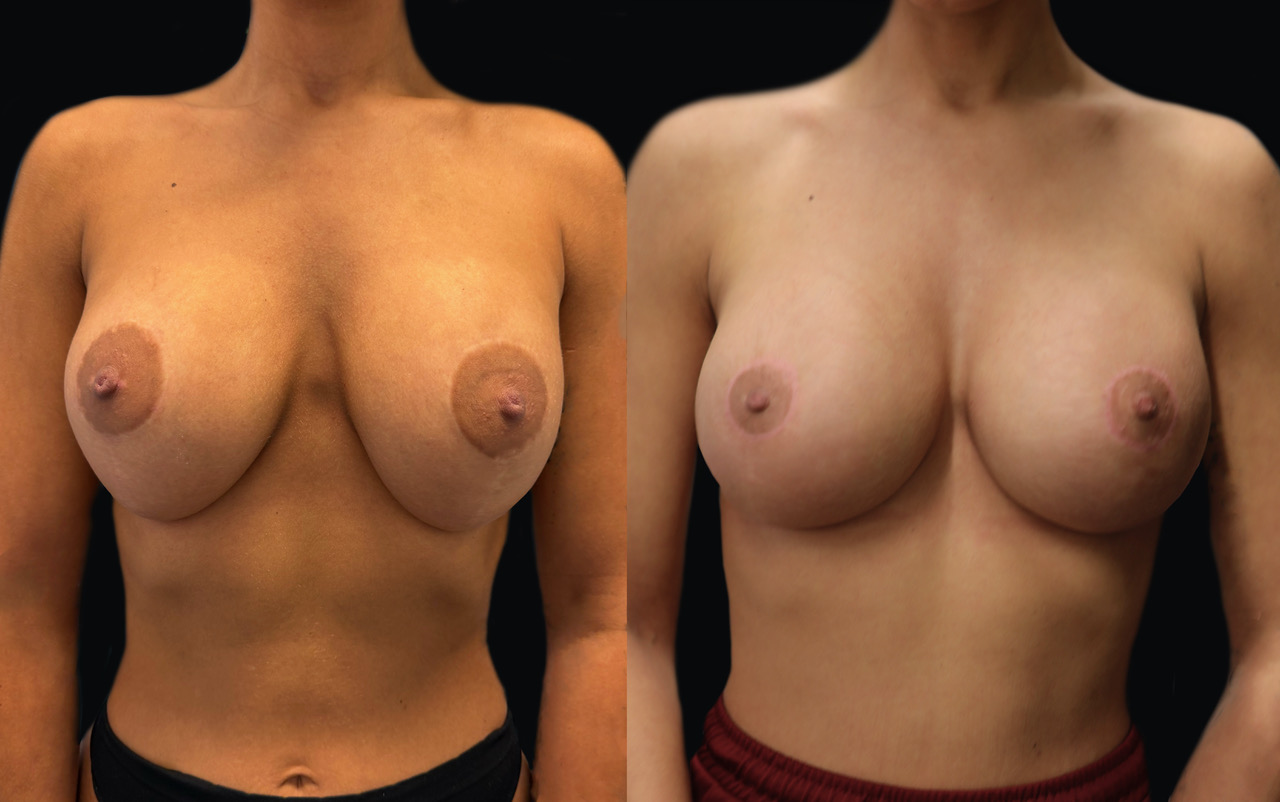
Breast augmentation is not a static procedure. Your body changes over the years, as do your wishes. Pregnancy, breastfeeding, weight fluctuations, aging of the skin and connective tissue, or simply a different aesthetic preference can mean that breast implants no longer fit your body optimally over time. In these situations, a prosthesis replacement can be a logical and sensible step.
At Gooimeer Clinics, prosthesis replacement is a common and specialized procedure, in which we look beyond simply replacing the implant. The goal is not just to put in something new, but to restore shape, support, balance, and comfort—with a lasting and natural result.
According to the national breast implant guideline, it is recommended to replace implants after 10 to 20 years. In practice, however, we see that around one in three women undergoes an implant exchange within 10 years. This can happen for various reasons, such as:
changes after pregnancy or breastfeeding
loosening of the skin and supporting tissues
capsular contracture
implant displacement or sagging
a desire for a different size, shape, or projection
technological advances in implants
An implant exchange is therefore rarely just a “technical” procedure. It is often a new aesthetic decision, where we look together at what best suits your body and your current stage of life.
Click on a topic for more information
At Gooimeer Clinics, we work almost exclusively with biocompatible nanotextured implants by Motiva. These implants have a very favourable safety profile and a demonstrably low risk of capsular contracture.
In the past, surgeons often used aggressively textured implants. The idea was that they would “grip” the surrounding tissue—almost like Velcro—helping to reduce the risk of implant displacement over time. In recent years, however, it has become clear that some of these rough-textured implants can:
show microfragmentation
trigger a pronounced immune response in the body
and be associated with rare but serious complications
For this reason, Dr. Van der Pot and Dr. Ahmed consciously switched to nanosurface implants in 2017—among the first in the Netherlands to do so. These implants provoke significantly less inflammatory response and are therefore often described as biocompatible.
Every advantage has a trade-off: because these implants adhere less to the tissue, proper internal support becomes even more important. Our surgeons are highly specialised in these advanced breast surgery techniques and are invited worldwide to give live surgery demonstrations and lectures.
A breast implant has weight. That weight needs support to help prevent the implant from gradually dropping over time, rotating outward, or overstretching the lower pole.
That is why, during an implant exchange, we almost always use a form of an internal bra technique. This technique is designed to:
provide better support for the implant
position it more stably
and gently guide it towards the cleavage
How does it work?
In most cases, we use your own tissue (such as capsule, connective tissue, or a small portion of muscle) to create internal support. In some situations, this is supplemented with a resorbable support material that provides temporary extra strength during healing. Over time, the body gradually takes over this supportive role.
The result is:
a lower risk of recurrent sagging
a more refined, stable décolleté
and longer-lasting aesthetic results
This approach requires more experience and surgical precision than simply “swapping implants,” but it makes a significant difference in long-term outcomes.
No two situations are the same. During the consultation, we assess, among other things:
the quality of the skin and supporting tissues
the position of the current implant
any capsular contracture
the desired size and shape
the position of the nipple
In some cases, an implant exchange alone is sufficient. In other cases, a small breast lift is needed to improve nipple and breast position. We always discuss this openly and carefully: the goal is a beautiful breast, with scars that are proportionate to the improvement you gain.
Een prothesewissel vindt plaats onder algehele narcose. In de meeste gevallen is het een dagbehandeling. Afhankelijk van de uitgebreidheid (bijvoorbeeld combinatie met een lift of uitgebreide inwendige BH) kan een overnachting soms wenselijk zijn.
Het herstel verloopt vaak vergelijkbaar met – en soms zelfs soepeler dan – de eerste borstvergroting:
1–2 weken: meeste dagelijkse activiteiten weer mogelijk
3–4 weken: voorzichtig starten met sporten
6 weken: meestal volledige belasting toegestaan (in overleg)
U krijgt een ondersteunende BH, duidelijke instructies, pijnstilling en zo nodig antibiotica mee.
The same applies to a breast implant replacement: every operation carries risks, although serious complications are fortunately rare.
Possible complications include:
postoperative bleeding (haematoma)
infection
capsular contracture (again, despite replacement; the risk is lower with modern implants)
neuropraxia: temporary sensory disturbance or nerve irritation of the skin or nipple area. This occurs in approximately 1 in 30 patients and usually resolves spontaneously within a few weeks to around 6 weeks
asymmetry or displacement of the implant
During the consultation, we always discuss these risks openly, including what you can do yourself to help minimise them.
At Gooimeer Clinics, we work almost exclusively with biocompatible nanotextured implants by Motiva. These implants have a very favourable safety profile and a demonstrably low risk of capsular contracture.
In the past, surgeons often used aggressively textured implants. The idea was that they would “grip” the surrounding tissue—almost like Velcro—helping to reduce the risk of implant displacement over time. In recent years, however, it has become clear that some of these rough-textured implants can:
show microfragmentation
trigger a pronounced immune response in the body
and be associated with rare but serious complications
For this reason, Dr. Van der Pot and Dr. Ahmed consciously switched to nanosurface implants in 2017—among the first in the Netherlands to do so. These implants provoke significantly less inflammatory response and are therefore often described as biocompatible.
Every advantage has a trade-off: because these implants adhere less to the tissue, proper internal support becomes even more important. Our surgeons are highly specialised in these advanced breast surgery techniques and are invited worldwide to give live surgery demonstrations and lectures.
A breast implant has weight. That weight needs support to help prevent the implant from gradually dropping over time, rotating outward, or overstretching the lower pole.
That is why, during an implant exchange, we almost always use a form of an internal bra technique. This technique is designed to:
provide better support for the implant
position it more stably
and gently guide it towards the cleavage
How does it work?
In most cases, we use your own tissue (such as capsule, connective tissue, or a small portion of muscle) to create internal support. In some situations, this is supplemented with a resorbable support material that provides temporary extra strength during healing. Over time, the body gradually takes over this supportive role.
The result is:
a lower risk of recurrent sagging
a more refined, stable décolleté
and longer-lasting aesthetic results
This approach requires more experience and surgical precision than simply “swapping implants,” but it makes a significant difference in long-term outcomes.
No two situations are the same. During the consultation, we assess, among other things:
the quality of the skin and supporting tissues
the position of the current implant
any capsular contracture
the desired size and shape
the position of the nipple
In some cases, an implant exchange alone is sufficient. In other cases, a small breast lift is needed to improve nipple and breast position. We always discuss this openly and carefully: the goal is a beautiful breast, with scars that are proportionate to the improvement you gain.
Een prothesewissel vindt plaats onder algehele narcose. In de meeste gevallen is het een dagbehandeling. Afhankelijk van de uitgebreidheid (bijvoorbeeld combinatie met een lift of uitgebreide inwendige BH) kan een overnachting soms wenselijk zijn.
Het herstel verloopt vaak vergelijkbaar met – en soms zelfs soepeler dan – de eerste borstvergroting:
1–2 weken: meeste dagelijkse activiteiten weer mogelijk
3–4 weken: voorzichtig starten met sporten
6 weken: meestal volledige belasting toegestaan (in overleg)
U krijgt een ondersteunende BH, duidelijke instructies, pijnstilling en zo nodig antibiotica mee.
The same applies to a breast implant replacement: every operation carries risks, although serious complications are fortunately rare.
Possible complications include:
postoperative bleeding (haematoma)
infection
capsular contracture (again, despite replacement; the risk is lower with modern implants)
neuropraxia: temporary sensory disturbance or nerve irritation of the skin or nipple area. This occurs in approximately 1 in 30 patients and usually resolves spontaneously within a few weeks to around 6 weeks
asymmetry or displacement of the implant
During the consultation, we always discuss these risks openly, including what you can do yourself to help minimise them.
Click on an questions to see the answer
Is a prosthesis replacement more complicated than an initial breast augmentation?
Often, yes. The tissue has already been operated on, sometimes there is scar tissue formation, and often there is a greater need for support. That is why experience with this procedure is particularly important.
Click on the video to find more information about this treatment
A breast implant exchange is more than a technical procedure. It is an opportunity to reassess shape, support and aesthetics. During the consultation, we take ample time to analyse your situation and create a tailored treatment plan—with honest advice about what is worthwhile and what is not.
Then we warmly invite you for a personal consultation at Gooimeer Clinics.
Click on an article to see more information
Sign up for our newsletter to stay up to date with the latest news.
Follow us on social media to stay up to date with our practice and see the latest stories.